


Beaches of Pilar de la Horadada: Blue Flags, Dunes and Crystal Water
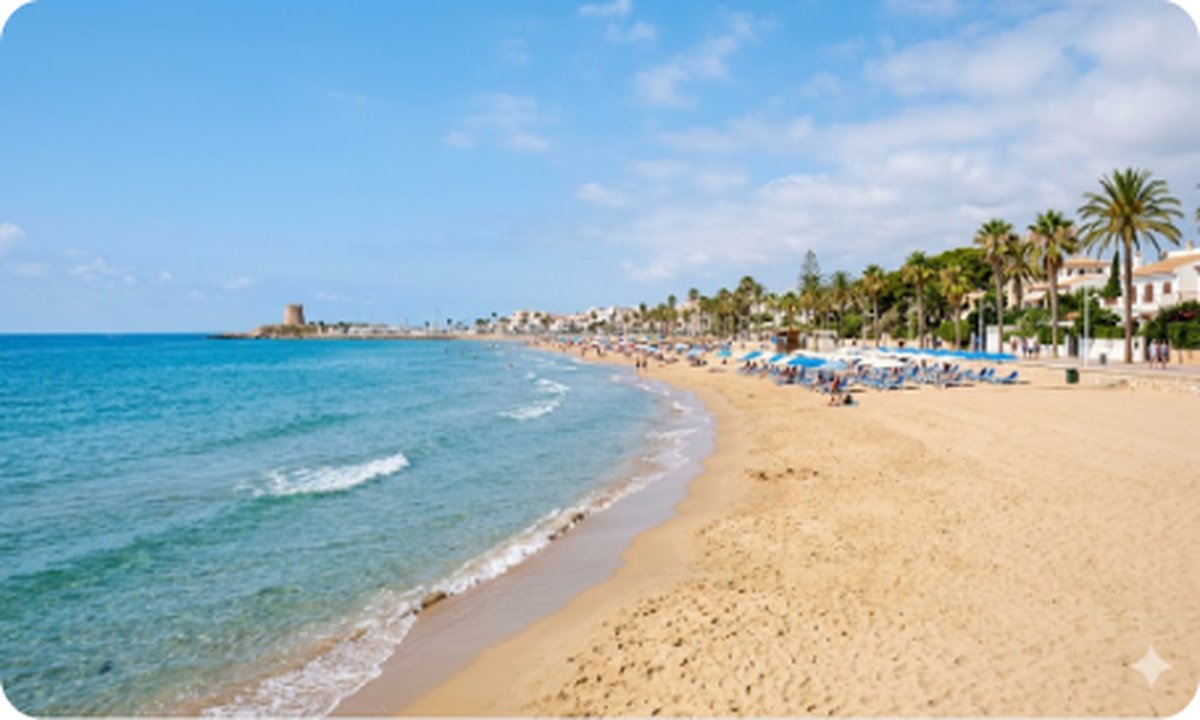
The coastline of Pilar de la Horadada runs for just over 4 kilometres along the southernmost edge of Alicante province. This is where the Costa Blanca officially ends and the Costa Cálida begins — a geographical quirk that means the beaches here benefit from both the infrastructure standards of the Valencian Community and the slightly warmer water temperatures that drift up from Murcia's coast.
What makes this stretch of coastline distinctive is its variety. Within a short walking or cycling distance, you move from a marina-backed beach with restaurants and watersport facilities to quiet pine-fringed coves where the sand meets natural dune systems. The entire coastline has held Blue Flag status for multiple consecutive years — a certification that covers water quality, environmental management, safety, and services.
This guide covers each beach individually, along with practical information about facilities, water sports, seasonal conditions, and what it is like to live near these beaches year-round.
Torre de la Horadada Beach
Torre de la Horadada is the main beach of the municipality and the one that most visitors encounter first. It sits directly adjacent to the Club Náutico (marina) and takes its name from the 16th-century watchtower — Torre Vigía — that still stands as a landmark on the headland between the marina and the main beach.
Sand and water quality
The beach is composed of fine golden sand that stretches for approximately 800 metres. The sand is replenished periodically by the municipality, maintaining consistent width even after winter storms. Water clarity here is excellent — on calm days, visibility in the shallows reaches 3-5 metres, a result of the sandy seabed and strong currents that cycle water regularly. The Blue Flag certification confirms that water quality testing meets EU bathing water standards throughout the swimming season.
Facilities
Torre de la Horadada beach is well-equipped for a town of this size. Facilities include: public showers at multiple access points along the beach, accessible wooden walkways for wheelchair and pushchair access, lifeguard service from June through September (10:00-19:00), first aid station near the central access point, public toilets (seasonal), hammock and parasol rental zones, beach volleyball courts, and children's play areas at the north end.
Restaurants and chiringuitos
Several beachfront restaurants operate along the promenade behind Torre de la Horadada beach. These range from proper sit-down restaurants with paella and fresh fish menus to simpler chiringuitos (beach bars) serving drinks, snacks, and ice cream. The marina area has its own cluster of restaurants with terrace seating overlooking the boats — a popular spot for sunset dinners from spring through autumn. Most restaurants stay open year-round, though some chiringuitos close from November to March.
The marina
The Club Náutico de Torre de la Horadada is a compact but well-maintained marina with approximately 200 berths. It accommodates sailing boats, motorboats, and smaller craft. The marina offers fuel, water, electricity, and basic repair services. For visitors rather than boat owners, the marina is worth a walk for the views and the restaurants. Fishing boats still operate from here — you will see them unloading their catch in the early morning, and some of the beachfront restaurants serve fish bought directly from these boats.
Playa de las Higuericas
Higuericas is the beach that families with young children gravitate towards. Located south of the main Torre de la Horadada beach, it has a different character — quieter, more natural, and with features that make it especially suitable for small children.
Why families choose Higuericas
The water entry at Higuericas is exceptionally gentle. The seabed slopes so gradually that you can wade 30-40 metres from shore and still be waist-deep in water. This shallow profile, combined with the typically calm conditions on this part of the coast, means that parents can relax to a degree that is not possible on steeper beaches. The sand is fine and clean, and the beach holds its own Blue Flag status independent of the main Torre de la Horadada beach.
Pine groves and shade
Behind the sand at Higuericas, a strip of Aleppo pine trees (Pinus halepensis) provides natural shade — something that is genuinely valuable during the intense summer months when temperatures reach 35°C and above. Families set up under the pines with picnic blankets and portable chairs. This natural canopy is one of the features that distinguishes Higuericas from other beaches in the area, most of which have no shade apart from rented parasols.
Facilities
Higuericas has fewer commercial facilities than the main beach, which is part of its appeal. There are public showers, accessible walkways, and lifeguard service during summer. A small kiosk sells drinks and ice cream during the high season. There are no large restaurants directly on this beach — the nearest sit-down restaurants are a 10-minute walk back towards Torre de la Horadada.
Playa del Conde
Playa del Conde sits between Torre de la Horadada and Higuericas and is the widest beach in the municipality. It stretches back further from the waterline than the adjacent beaches, giving it a more spacious, open feel. Even in the peak of August, when other beaches in the area are shoulder-to-shoulder with sunbathers, Playa del Conde offers room to breathe.
Natural character
This beach retains more of its natural dune structure than the more developed beaches nearby. Low dunes with native vegetation — sea holly (Eryngium maritimum), sand lilies, and dune grasses — line parts of the back beach. The municipality has installed wooden fencing and signage to protect these dune areas from foot traffic. For visitors who appreciate a more natural coastal environment, Playa del Conde feels less manicured and more authentic than the main resort beaches.
Swimming conditions
Water quality is the same high standard as the rest of the coastline. The seabed here has occasional patches of Posidonia oceanica seagrass — which can look like brown seaweed but is actually a sign of healthy marine ecosystems. Posidonia beds filter water, stabilise sand, and provide habitat for fish. Their presence along this coast is one reason the water quality remains consistently excellent.
Access
Playa del Conde is reached via signposted paths from the coastal road. There is limited parking along the road — it fills up quickly on summer weekends. Arriving early (before 10:00) or late afternoon (after 16:00) is recommended during July and August. The beach has basic facilities: showers and lifeguard service in summer, but no restaurants or shops directly on the beach.
Mil Palmeras Beaches
Mil Palmeras is a small resort settlement that straddles the border between Alicante province and the Region of Murcia. The beaches here have a distinctly resort-like atmosphere, with a promenade, ice cream shops, and easy access from the apartment complexes and bungalow developments that characterise the area.
Playa de Mil Palmeras
The main beach at Mil Palmeras is a wide crescent of sand backed by a landscaped promenade with palm trees (hence the name — "thousand palms," though the actual count falls short). The beach is well-maintained and holds Blue Flag certification. Facilities include lifeguard service, showers, accessible walkways, and hammock/parasol rental. Several restaurants and cafes line the promenade, offering a mix of Spanish, Dutch, and international cuisine reflecting the area's resident community.
Water sports
The Mil Palmeras beach area is one of the better spots along this coast for water sports. The local rental companies and schools offer paddleboard hire (from €12/hour), kayak rental (single from €10/hour, double from €15/hour), and snorkelling equipment hire. The Posidonia meadows offshore provide reasonable snorkelling conditions — you can spot wrasse, sea bream, and occasionally octopus in the rocky patches between the seagrass. Jet ski rental is available from the marina area, though operators must stay within designated zones to avoid conflict with swimmers.
Border curiosity
An interesting geographical detail: the municipal boundary between Pilar de la Horadada (Alicante) and San Pedro del Pinatar (Murcia) runs directly through the Mil Palmeras area. This means that walking south along the beach, you technically cross from the Valencian Community into the Region of Murcia without noticing. The practical implication is minimal — water quality, beach maintenance, and lifeguard services are coordinated between the two municipalities.
Smaller Beaches and Coves
Beyond the main beaches, the Pilar de la Horadada coastline includes several smaller stretches of sand and rocky coves that are worth exploring.
Playa de los Jesuitas
A compact beach near the marina, named after the Jesuit order that once owned land in the area. It is small — perhaps 150 metres long — and sits in a natural cove that provides some shelter from waves on windier days. The rocky edges of the cove make it a decent snorkelling spot for beginners, with small fish visible in clear water close to shore. There are no facilities here — bring your own water and shade.
Vistamar
Vistamar is more of a narrow beach strip below the Vistamar residential area than a full-scale beach. It is rocky in places and better for sunbathing and walking than swimming (though swimming is possible with water shoes). The appeal is its quietness — even in peak summer, you may have this stretch largely to yourself. Access is via steps from the coastal path above.
Rocky platforms and fishing spots
Between the main beaches, sections of low rocky platform extend into the sea. These are popular with local fishermen who cast from the rocks at dawn and dusk. The rock pools at low tide contain crabs, anemones, small fish, and the occasional sea urchin — a source of fascination for children (and adults) willing to look closely. The rocks can be slippery, so proper footwear is advisable.
Water Sports and Activities
The coastline of Pilar de la Horadada is not a major watersports destination in the way that Torrevieja or Denia are, but there is enough variety to keep active visitors and residents occupied.
Kayaking and paddleboarding
Stand-up paddleboarding (SUP) has become increasingly popular along this coast, with several rental points operating during the summer months. The calm conditions on most mornings make this an accessible activity even for beginners. Kayak rental is available from Mil Palmeras and the Torre de la Horadada marina area. A popular route is to paddle south from the marina along the coastline to Mil Palmeras and back — roughly 6 kilometres round trip, taking 1.5-2 hours at a relaxed pace.
Snorkelling
The clear water and Posidonia seagrass beds make snorkelling worthwhile, particularly around the rocky areas near Playa de los Jesuitas and the edges of Playa del Conde. You will not see tropical reef fish, but the Mediterranean species — ornate wrasse, damselfish, sea bream, starfish, and occasionally moray eels hiding in crevices — are interesting in their own right. The best visibility is in the morning before any afternoon winds stir up the seabed. Water temperature is comfortable for snorkelling without a wetsuit from June through October.
Sailing and boat trips
The Club Náutico de Torre de la Horadada is the base for sailing in the area. The marina offers berths for visiting boats and has a small sailing school. Chartered boat trips are available — typically 2-3 hour coastal excursions heading south along the Murcia coast or north towards Cabo Roig. Some charters include fishing equipment and the option to catch your own lunch. The annual regatta in late summer is a local event that attracts sailors from along the coast.
Cycling along the coast
While not a water sport, the coastal cycling and walking path deserves mention. A paved route connects Pilar de la Horadada's beaches with the broader Mediterranean coastal path system. You can cycle from Mil Palmeras north through Torre de la Horadada and continue towards La Mata and Torrevieja — a flat, scenic route of roughly 25 kilometres one way. Electric bike rental is available in Torre de la Horadada for those who prefer assisted pedalling.
Beach Infrastructure
The municipality of Pilar de la Horadada invests consistently in beach infrastructure, and standards are high for a town of roughly 25,000 permanent residents.
Lifeguard service
Professional lifeguards (socorristas) are stationed at all main beaches from mid-June through mid-September. Hours are typically 10:00-19:00, with extended hours on the busiest weekends in July and August. The lifeguard service includes first aid capacity and coordination with local emergency services. Red, yellow, and green flag systems indicate swimming conditions — red flags (no swimming) are relatively rare on this sheltered coast, usually only appearing during storms or strong easterly winds.
Accessibility
Several beaches have adapted access for people with reduced mobility. Wooden ramp walkways extend from parking areas to the sand. Torre de la Horadada has an amphibious wheelchair available on request during summer (ask at the lifeguard station). Adapted shower facilities are available at the main beach access points. Spain's national accessibility standards apply, and the municipality has made significant improvements in recent years.
Parking
Free parking is available near all beaches, though spaces fill quickly in summer. Torre de la Horadada has the largest parking areas — both surface lots near the promenade and street parking in the residential streets behind the beach. Mil Palmeras has limited street parking and a small surface car park near the beach. During July and August weekends, arriving before 10:00 is advisable if you want to park within easy walking distance of the sand. The town centre is connected to the beaches by a local bus service during summer.
Chiringuitos and refreshments
Beach bars (chiringuitos) operate on Torre de la Horadada and Mil Palmeras beaches during the summer season, typically from late May/early June through September. They serve cold drinks, beer, cocktails, ice cream, and simple food (bocadillos, ensaladas, patatas bravas). Prices are reasonable for beachfront service — a cold beer runs €2.50-3.50, a coffee €1.50-2.00. The chiringuitos are licensed by the municipality and must meet hygiene and environmental standards.
Showers and toilets
Public cold-water showers are installed at all main beach access points and are free to use. They operate on a push-button timer to conserve water. Public toilets are seasonal — available at the main beaches from June through September. Outside this period, the nearest facilities are in restaurants and bars along the promenade. Some visitors note the lack of year-round public toilets as the main infrastructure gap on these beaches.
Best Season for Beach Life
One of the significant advantages of this part of Spain's coast is the length of the beach season. While Northern European beaches offer a few usable weeks in summer, the Pilar de la Horadada coastline is genuinely pleasant for beach visits from April through November, with comfortable swimming from May through October.
| Month | Air temp (°C avg) | Water temp (°C avg) | Sunshine (hours/day) | Beach rating |
|---|---|---|---|---|
| January | 12 | 14 | 6 | Walking, cycling |
| February | 13 | 13 | 7 | Walking, cycling |
| March | 15 | 14 | 7 | Sunbathing on warm days |
| April | 17 | 16 | 8 | Comfortable for sunbathing |
| May | 21 | 18 | 9 | Swimming starts, pleasant |
| June | 25 | 22 | 10 | Full beach season begins |
| July | 28 | 25 | 11 | Peak season, warm water |
| August | 29 | 26 | 10 | Peak season, warmest water |
| September | 26 | 24 | 8 | Excellent — warm, fewer crowds |
| October | 21 | 21 | 7 | Good swimming, quiet beaches |
| November | 16 | 18 | 6 | Mild, walking and sun |
| December | 13 | 15 | 6 | Walking, cycling |
The area receives over 300 days of sunshine per year and annual rainfall of approximately 300mm — most of it concentrated in a few heavy downpours during September and October (the gota fría season). Rainy days that wash out an entire beach day are relatively rare — perhaps 15-20 per year.
September and October are particularly valued by permanent residents and regular visitors. The water is still warm (21-24°C), air temperatures are comfortable rather than oppressive, the summer crowds have largely departed, and restaurant prices often drop from their August peaks. Many locals consider September the best beach month of the year.
Living Near the Beach
For those considering buying property in Pilar de la Horadada, proximity to these beaches is often the primary motivation. The coastal lifestyle here is genuine — this is not a place where the beach is a 30-minute drive through traffic. From most properties in Torre de la Horadada, the sand is a 5-10 minute walk. From the town centre, the beach is a 10-minute drive or a 20-minute bus ride.
The quality of daily beach access cannot be underestimated as a lifestyle factor. Residents here build beach visits into their daily routines — an early morning swim before work, an evening walk along the promenade, weekend barbecues in the pine-shaded areas behind Higuericas. The beach is not a special occasion — it is part of everyday life.
If you are interested in buying property near these beaches, read our detailed guide: buy property in Pilar de la Horadada. Browse current listings: properties in Pilar de la Horadada. The Granfield Estate team knows every street and every building in the coastal areas of this municipality — contact us for a free consultation about finding the right property near the beach that suits your lifestyle and budget.
Which beach is best for families with young children?
Playa de las Higuericas is the strongest choice for families with small children. The water entry is exceptionally shallow and gentle — children can wade far from shore while remaining in shallow water. The pine grove behind the beach provides natural shade, eliminating the need to rent parasols or worry about sun exposure during the hottest hours. The beach holds its own Blue Flag certification, confirming water quality and safety standards. The atmosphere is quiet and family-oriented without the noise and bustle of the main tourist beaches. The only downside is limited commercial facilities — there is a small seasonal kiosk but no large restaurants, so bring your own food and drinks for a full day at the beach.
Are dogs allowed on the beaches?
Dogs are not permitted on the main beaches (Torre de la Horadada, Higuericas, Mil Palmeras) during the summer season, typically from June 15 to September 15. Outside these dates, dogs are allowed on all beaches, though they must be kept on a lead in areas with other beachgoers. There is no designated dog beach within the Pilar de la Horadada municipality, but the neighbouring municipality of San Pedro del Pinatar (Murcia) has a designated dog beach at Playa de las Salinas, approximately 10 minutes drive south. During winter months, the quieter stretches of coast between the main beaches are popular with dog walkers — you will commonly see dogs running freely on the smaller coves and rocky sections.
Is beach parking free?
Yes. All beach parking in Pilar de la Horadada is free of charge. There are no paid parking zones or meters near the beaches. The main parking areas are surface lots near the Torre de la Horadada promenade and street parking in the residential areas behind the beaches. Mil Palmeras has more limited parking — a small surface lot and residential street parking. The challenge is not cost but availability: during July and August weekends, spaces fill by mid-morning. Arriving before 10:00 or after 16:00 largely solves this. Some visitors park in the town centre and take the summer bus service to the beach, which runs every 30 minutes during July and August.
When does the swimming season start and end?
Comfortable swimming is possible from early May through late October. Water temperatures rise above 18°C in May, reach their peak of 25-26°C in late July and August, and remain above 20°C through most of October. Many regular swimmers — particularly Northern Europeans accustomed to colder waters — start swimming in April (water around 16°C) and continue into November (water around 17-18°C). Year-round swimming is practiced by a small but dedicated community of locals, though winter water temperatures of 13-14°C require either a wetsuit or a high tolerance for cold. The lifeguard service operates from mid-June to mid-September, which roughly corresponds to the official swimming season, but swimming outside these dates is common and unrestricted.
Why Granfield Estate?
-
⚑
We live on the coast
Our team lives and works on the Costa Blanca. We know every neighbourhood, every street and the real prices — not from a catalogue, but from daily work on the ground.
-
⚖
In-house lawyer — 10+ years of experience
NIE, bank account, property check, contract, notary — legal support at every step. First consultation free.
-
🏠
Property management
Buying to rent? Our management company handles tenant search, maintenance and all questions.
-
🌐
We speak your language
English, Spanish, Russian, German, Finnish, Swedish and more. Licence RAICV 1663, member of Asivega.
Read also

Beaches of Guardamar del Segura: Dunes, Pine Forest and Blue Flags
02.04.2026
Guardamar's beaches are among the finest on the Costa Blanca. Wide golden sand, dunes, pine forest reaching the shore and not a single high-rise on the horizon. We cover every beach — from family-friendly Centro to wild Babilonia.

La Mata Beach: 4 Kilometres of Blue Flag Sand and Nature Park
05.04.2026
La Mata Beach is one of the best on the Costa Blanca coast. 4 kilometres of wide golden sand, Blue Flag status, gentle entry to the water and a nature park as the backdrop. We live here and will tell you everything you need to know.

Buy Property in Pilar de la Horadada: Complete Guide 2026
09.04.2026
Pilar de la Horadada sits at the southernmost tip of Alicante province, offering Blue Flag beaches, authentic Spanish character, and property prices 10-20% below neighbouring Orihuela Costa. This guide covers every aspect of buying here in 2026 — from area comparisons and real price data to the full legal process.