


The Cultural Heart of Northern Costa Blanca
Altea is not like other towns on the Costa Blanca. While its neighbours have pursued tourism, development, and international resort infrastructure, Altea has chosen a different path — one that has made it the cultural and artistic capital of the northern coast. This small town of approximately 22,000 permanent residents, perched on a hillside overlooking the Mediterranean between Benidorm and Calpe, has attracted painters, sculptors, writers, and musicians for decades, and their presence has shaped a community that values beauty, creativity, and authenticity above commercial development.
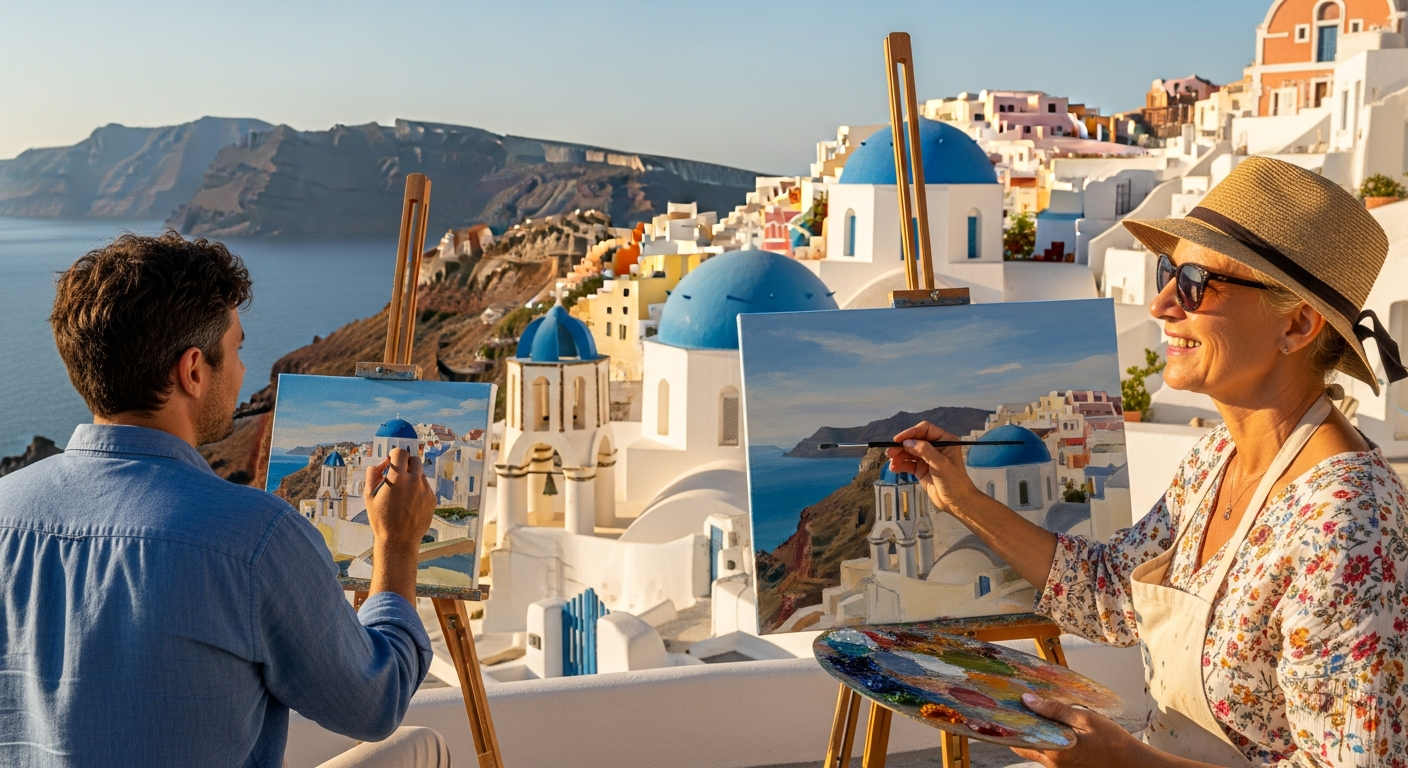
The town's signature image — a cascade of whitewashed houses climbing up to the blue-tiled domes of the Church of Nuestra Señora del Consuelo — is one of the most photographed scenes on the entire Spanish coast. But unlike many photogenic places that disappoint in person, Altea delivers on its promise. The old town is a genuine living quarter, not a museum piece, and the narrow cobbled streets that wind up to the church square are lined with working art galleries, artisan workshops, independent boutiques, and some of the finest restaurants on the Costa Blanca.
The Old Town: A Village Within a Town
Altea's Casco Antiguo is the town's heart and the source of its reputation. Built on a hilltop above the harbour, the old quarter is a labyrinth of narrow, steep streets paved with traditional river-stone mosaics (empedrado). The whitewashed facades — some plain, others decorated with potted geraniums, bougainvillea, and hand-painted tiles — create a visual harmony that feels both timeless and carefully maintained.
At the summit stands the Church of Nuestra Señora del Consuelo, whose distinctive blue-and-white tiled domes have become the symbol of Altea. The church square (Plaza de la Iglesia) offers panoramic views across the Mediterranean to the Peñón de Ifach in Calpe and, on clear days, the distant outline of Ibiza. In the evenings, the square becomes a gathering point for residents and visitors, with small bars and restaurants serving drinks as the sun sets over the sea.
What sets Altea's old town apart from similar historic quarters elsewhere is that it remains a living neighbourhood. Residents — a mix of Spanish families who have lived here for generations and international newcomers who have fallen in love with the atmosphere — go about their daily lives among the art galleries and boutiques. Children play in the plazas, elderly neighbours chat on doorsteps, and the pace of life moves at the unhurried rhythm of a Mediterranean village.
Property in the old town is highly sought after and relatively scarce. The options are primarily traditional townhouses and apartments within historic buildings, some beautifully renovated to combine original character with modern comforts. Prices reflect the desirability: a renovated two-bedroom apartment in the old town might cost €200,000-€300,000, while a townhouse with terrace and sea views could reach €350,000-€500,000. Unrenovated properties do appear occasionally at lower prices, but renovation in the old town requires specialist knowledge and sensitivity to the historic fabric.
The Bohemian Spirit: Art, Music, and Culture
Altea's identity as an artists' village is not a marketing invention — it has deep roots. The town began attracting creative residents in the 1960s and 1970s, when painters and sculptors discovered the extraordinary quality of the Mediterranean light, the dramatic landscapes of the Sierra de Bernia behind the town, and a community that was welcoming to outsiders with unconventional lifestyles.
Today, Altea is home to a Faculty of Fine Arts (part of the University Miguel Hernández), several private art schools, and an exceptional concentration of professional galleries and artist studios. The Palau Altea, a modern performing arts centre, hosts concerts, theatre, and dance throughout the year, adding a cultural infrastructure that few towns of this size can match.
The creative atmosphere permeates daily life. Street musicians perform in the old town squares on summer evenings, outdoor art exhibitions appear in unexpected corners, and the quality of artisan craftsmanship — in ceramics, jewellery, textiles, and ironwork — is visibly higher than in neighbouring towns. The weekly Tuesday market has a distinctly artisanal character, with handmade goods sitting alongside the usual fruit, vegetables, and household items.
For property buyers, this cultural richness adds a dimension of value that is difficult to quantify but impossible to ignore. Living in Altea means living in a community that actively creates and appreciates beauty — and that is reflected in the care with which buildings are maintained, streets are kept, and public spaces are designed.
The Dutch and Scandinavian Connection
Altea has attracted a particularly strong Dutch community, making it one of the most significant concentrations of Dutch residents on the Spanish coast. The reasons are partly historical — Dutch artists were among the early discoverers of Altea in the 1970s — and partly cultural, as the town's emphasis on art, culture, and quality of life resonates with Dutch values.
The Dutch community in Altea is well-organised, with social clubs, cultural activities, Dutch-language church services, and community events throughout the year. Dutch-speaking estate agents, lawyers, and medical services are readily available. The community tends to be well-integrated into local life, participating in Spanish festivals and supporting local businesses, rather than creating a separate enclave.
Scandinavian residents — particularly Norwegians and Swedes — form another significant community, drawn by the climate, the cultural atmosphere, and the natural beauty of the surrounding mountains and coastline. The Scandinavian community overlaps with the Dutch in many social activities and shares a similar approach to integration — engaged with local life while maintaining connections to their home countries.
The international community in Altea differs from those in larger expat centres like Torrevieja or Benidorm in important ways. The residents tend to be culturally engaged, appreciate the town's artistic heritage, and have actively chosen Altea for its character rather than simply its climate or prices. This self-selection creates a community atmosphere that many residents describe as unusually welcoming and intellectually stimulating.
Beaches and Natural Setting
Altea's coastline is characterised by its pebble beaches and crystal-clear waters, which distinguish it from the sandy beaches more common further south. The main beaches — Playa de Cap Blanch, Playa de la Roda, and the smaller Playa del Espigó — feature smooth, round pebbles that keep the water exceptionally transparent. While some buyers initially miss sandy beaches, many come to prefer the clean, clear water and the fact that pebble beaches are never crowded in the way that popular sandy stretches can be.
The harbour area (Puerto de Altea) has been sensitively developed with a pleasant promenade, seafood restaurants, and a small marina. The paseo marítimo that connects the harbour to the main beaches is one of the most attractive seafront walks on the Costa Blanca — lined with palm trees, with views of the old town above and the Peñón de Ifach in the distance.
Behind Altea, the Sierra de Bernia and the Serra de la Grana provide a dramatic mountain backdrop that rises to over 1,000 metres. The hiking opportunities are exceptional — from gentle walks through almond and olive groves to challenging mountain routes with panoramic Mediterranean views. The Fonts del Algar, a series of natural waterfalls and rock pools in the hills above the town, is a popular excursion that reveals a surprisingly green, lush landscape just minutes from the coast.
Property Prices: Premium with Reason
Altea's property market is positioned at the premium end of the Costa Blanca spectrum, reflecting the town's desirability, limited buildable land, and the quality of life it offers. Prices are higher than in Calpe or Benidorm but generally below the levels seen in Moraira or Jávea's most exclusive areas.
| Property Type | Price Range | Typical Locations |
|---|---|---|
| Apartments (2 bed) | €180,000 - €280,000 | Town centre, seafront, Sierra Altea |
| Apartments (3 bed, modern) | €250,000 - €350,000 | New developments, Altea Hills area |
| Old town properties | €200,000 - €500,000 | Casco Antiguo |
| Villas (3-4 bed) | €400,000 - €800,000 | Sierra Altea, Altea la Vella |
| Luxury villas | €800,000 - €1,200,000+ | Altea Hills, elevated positions |
The Altea Hills development deserves special mention. This large, gated residential community on the hillside between Altea and Calpe offers luxury villas and apartments with spectacular sea views, communal facilities including pools and tennis courts, and 24-hour security. Properties in Altea Hills range from approximately €300,000 for apartments to over €1,000,000 for premium villas. The development appeals to buyers seeking a secure, resort-style environment while being close to Altea's cultural offerings.
The inland area of Altea la Vella (Old Altea) provides another option — a quieter, more rural setting with larger plots, mountain views, and lower prices than coastal Altea. Fincas and country houses in this area offer an attractive alternative for buyers who prioritise space and tranquillity over proximity to the beach.
Location and Connectivity
Altea benefits from its position on the northern Costa Blanca, with good road connections and proximity to key services:
- Benidorm: 10 km / 10 minutes by car
- Calpe: 12 km / 12 minutes
- Alicante airport (ALC): 70 km / 50-60 minutes
- Valencia airport: 120 km / 80-90 minutes
- TRAM to Benidorm: 15 minutes
- TRAM to Alicante: 65 minutes
The TRAM light rail connection is a significant practical advantage, linking Altea to Benidorm (for shopping, entertainment, and services) and Alicante (for the airport, hospital, and administrative needs) without requiring a car.
Gastronomy: A Cut Above
Altea's restaurant scene is widely regarded as the best on the northern Costa Blanca — and arguably one of the finest on the entire Spanish Mediterranean coast. The town has an exceptional concentration of high-quality restaurants relative to its small size, ranging from traditional Spanish seafood houses at the harbour to innovative Mediterranean cuisine in the old town.
Several Altea restaurants have earned Michelin recognition, and the overall standard of cooking — even in casual establishments — reflects the town's demanding, culturally sophisticated clientele. The weekly produce market and the daily fish supply from the harbour ensure that ingredients are fresh and local. For food-loving buyers, Altea's gastronomic quality is a genuine lifestyle asset.
Is Altea Right for You?
Altea is the Costa Blanca choice for buyers who prioritise culture, beauty, and community character over bargain prices or resort amenities. If you are drawn to whitewashed villages, art galleries, excellent restaurants, and a community that values creativity and authenticity, Altea offers a lifestyle that is rare on the Spanish coast. The premium prices reflect a genuine premium in quality of life — and for many buyers, that premium is worth every euro.
Frequently Asked Questions
The Old Town: A Village Within a Town?
Altea's Casco Antiguo is the town's heart and the source of its reputation. Built on a hilltop above the harbour, the old quarter is a labyrinth of narrow, steep streets paved with traditional river-stone mosaics (empedrado). The whitewashed facades — some plain, others decorated with potted geraniums, bougainvillea, and hand-painted tiles — create a visual harmony that feels both timeless and carefully maintained. At the summit stands the Church of Nuestra Señora del Consuelo, whose distinctive blue-and-white tiled domes have become the symbol of Altea. The church square (Plaza de la Iglesia) offers panoramic views across the Mediterranean to the Peñón de Ifach in Calpe and, on clear days, the distant outline of Ibiza. In the evenings, the square becomes a gathering point for residents and visitors, with small bars and restaurants serving drinks as the sun sets over the sea.
The Bohemian Spirit: Art, Music, and Culture?
Altea's identity as an artists' village is not a marketing invention — it has deep roots. The town began attracting creative residents in the 1960s and 1970s, when painters and sculptors discovered the extraordinary quality of the Mediterranean light, the dramatic landscapes of the Sierra de Bernia behind the town, and a community that was welcoming to outsiders with unconventional lifestyles. Today, Altea is home to a Faculty of Fine Arts (part of the University Miguel Hernández), several private art schools, and an exceptional concentration of professional galleries and artist studios. The Palau Altea, a modern performing arts centre, hosts concerts, theatre, and dance throughout the year, adding a cultural infrastructure that few towns of this size can match.
The Dutch and Scandinavian Connection?
Altea has attracted a particularly strong Dutch community, making it one of the most significant concentrations of Dutch residents on the Spanish coast. The reasons are partly historical — Dutch artists were among the early discoverers of Altea in the 1970s — and partly cultural, as the town's emphasis on art, culture, and quality of life resonates with Dutch values. The Dutch community in Altea is well-organised, with social clubs, cultural activities, Dutch-language church services, and community events throughout the year. Dutch-speaking estate agents, lawyers, and medical services are readily available. The community tends to be well-integrated into local life, participating in Spanish festivals and supporting local businesses, rather than creating a separate enclave.
Beaches and Natural Setting?
Altea's coastline is characterised by its pebble beaches and crystal-clear waters, which distinguish it from the sandy beaches more common further south. The main beaches — Playa de Cap Blanch, Playa de la Roda, and the smaller Playa del Espigó — feature smooth, round pebbles that keep the water exceptionally transparent. While some buyers initially miss sandy beaches, many come to prefer the clean, clear water and the fact that pebble beaches are never crowded in the way that popular sandy stretches can be. The harbour area (Puerto de Altea) has been sensitively developed with a pleasant promenade, seafood restaurants, and a small marina. The paseo marítimo that connects the harbour to the main beaches is one of the most attractive seafront walks on the Costa Blanca — lined with palm trees, with views of the old town above and the Peñón de Ifach in the distance.
Property Prices: Premium with Reason?
Altea's property market is positioned at the premium end of the Costa Blanca spectrum, reflecting the town's desirability, limited buildable land, and the quality of life it offers. Prices are higher than in Calpe or Benidorm but generally below the levels seen in Moraira or Jávea's most exclusive areas. Property TypePrice RangeTypical Locations Apartments (2 bed)€180,000 - €280,000Town centre, seafront, Sierra Altea Apartments (3 bed, modern)€250,000 - €350,000New developments, Altea Hills area Old town properties€200,000 - €500,000Casco Antiguo Villas (3-4 bed)€400,000 - €800,000Sierra Altea, Altea la Vella Luxury villas€800,000 - €1,200,000+Altea Hills, elevated positions The Altea Hills development deserves special mention. This large, gated residential community on the hillside between Altea and Calpe offers luxury villas and apartments with spectacular sea views, communal facilities including pools and tennis courts, and 24-hour security. Properties in Altea Hills range from approximately €300,000 for apartments to over €1,000,000 for premium villas. The development...
Why Granfield Estate?
-
⚑
Office on the coast — we live here
Our office is in La Mata, Torrevieja. We know every neighbourhood, every street and the real prices — not from a catalogue, but from daily work on the ground.
-
⚖
In-house lawyer — 10+ years of experience
NIE, bank account, property check, contract, notary — legal support at every step. First consultation free.
-
🏠
Property management
Buying to rent? Our management company handles tenant search, maintenance and all questions.
-
🌐
We speak your language
English, Spanish, Russian, German, Finnish, Swedish and more. Licence RAICV 1663, member of Asivega.
Granfield Estate · Av. Bélgica 1, C.C. Parquemar, La Mata, 03188 Torrevieja · +34 865 44 33 33
Read also

Benidorm: Investment and Rental Property
21.05.2026
Complete guide to property investment in Benidorm: 6-8% rental yields, area comparisons, updated prices and year-round rental potential.

Costa Blanca Property Guide 2026: Complete Buyer's Handbook
22.05.2026
Everything you need to know about buying property on Spain's Costa Blanca — from Dénia in the north to Torrevieja in the south, with real prices, honest area comparisons, and practical advice.

Costa del Sol Property Guide: Malaga to Gibraltar
23.05.2026
From Marbella luxury to Nerja charm — a complete guide to buying property on Spain's Costa del Sol, with prices, area comparisons, and investment insights.