


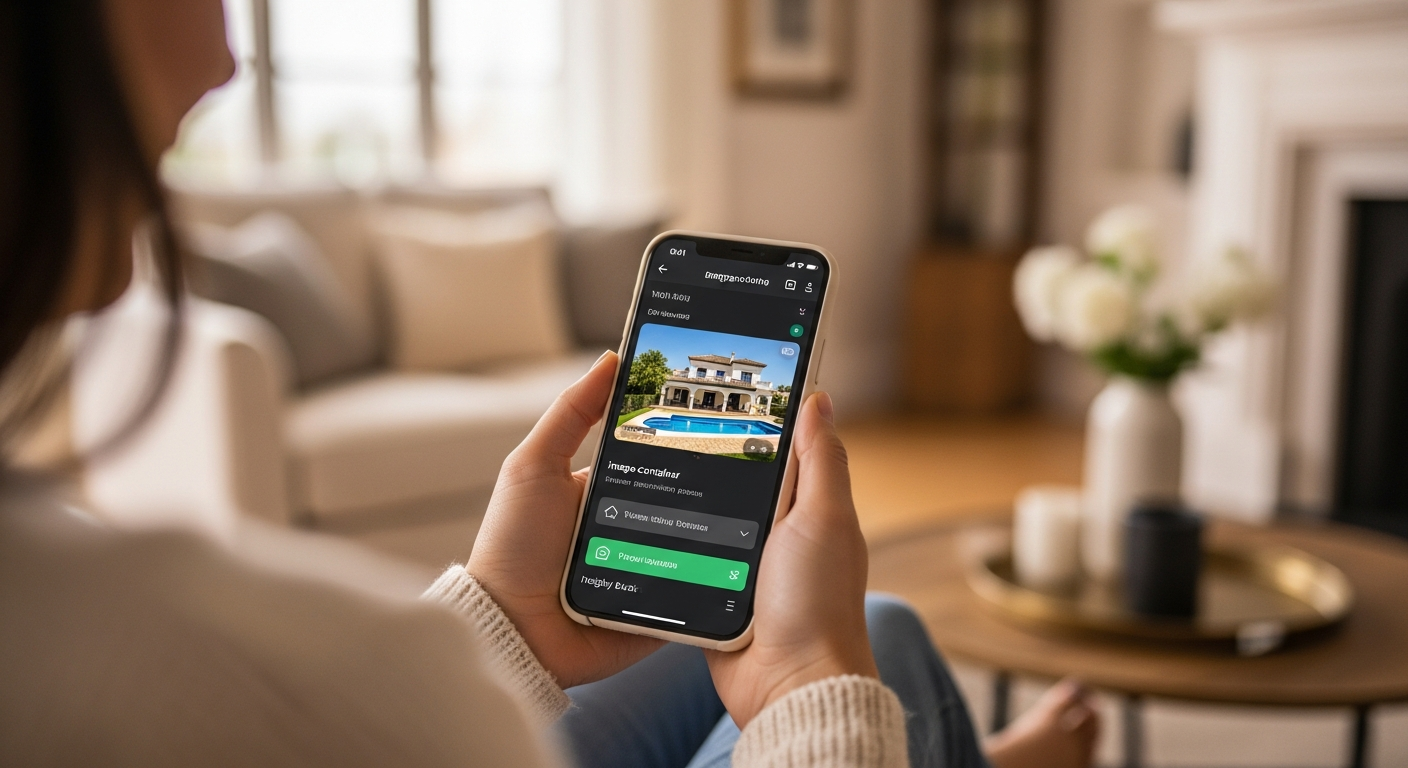
The Reality of Owning a Property You Don't Live In
Roughly 40% of foreign property buyers in Spain do not live in their property full-time. They buy a holiday home on the Costa Blanca, an apartment in Marbella, or a villa in Mallorca — and then return to their home country. The property sits there, in the Spanish sun, and it needs to be looked after. Pipes can leak, storms can damage shutters, squatters can move in, post piles up, and community meetings happen whether you attend or not.
The good news: thousands of owners manage this successfully every year. Spain has a mature market for property management services, and modern technology has made remote oversight dramatically easier than it was even five years ago. The bad news: doing it badly — or not doing it at all — can be extremely costly. A small water leak undetected for three months can cause €15,000 in damage. An unfiled tax return can trigger penalties from the Agencia Tributaria. An unattended property without visible signs of occupation can attract break-ins.
This guide covers everything you need to manage your Spanish property effectively from abroad — from basic key-holding to full property management, the technology that helps, the financial obligations you cannot ignore, and the emergency plan every remote owner should have in place.
Key-Holding Services: The Minimum You Need
A key-holding service is the most basic level of property management. A local person or company holds a set of your keys and acts as your first point of contact for the property. This is the absolute minimum every remote owner should have.
What a Key-Holder Does
A standard key-holding service includes: holding a set of keys to your property securely, granting access to tradespeople, utility companies, or emergency services on your behalf, performing regular property checks (typically fortnightly or monthly), running taps and flushing toilets to prevent drain traps from drying out and allowing sewer gas into the property, checking for visible leaks or water damage, airing the property by opening windows and shutters, confirming that the electricity, water, and gas supplies are functioning, collecting post and forwarding or scanning important correspondence, and reporting any issues or damage to you with photographs.
Some key-holders also offer additional services such as garden watering between gardener visits, putting bins out on collection days, or simply making the property look lived-in to deter burglars — opening and closing shutters, moving a car on the driveway, or turning lights on and off on varying schedules.
What It Costs
Key-holding with regular property checks typically costs between €50 and €100 per month, depending on the location and frequency of visits. On the Costa Blanca and Costa del Sol, where competition is strong, expect to pay €50-€70 per month for fortnightly checks and €80-€100 for weekly visits. In the Balearic Islands or more exclusive areas, prices can reach €120-€150 per month. Most key-holding companies charge extra for specific callouts — letting in a plumber, meeting a furniture delivery, or attending an emergency outside of scheduled visits. These typically cost €20-€40 per callout.
Who Provides Key-Holding Services
Key-holding is offered by dedicated property management companies, estate agents who provide aftercare services, individual freelancers (often retired expats), and cleaning companies that add property checks to their service. For a basic key-holding arrangement, a trusted individual may be perfectly adequate. But if you want formal accountability — insurance, written reports, and a professional service level agreement — a registered company is the safer choice. Always check that the company has liability insurance (seguro de responsabilidad civil) covering their activities in your property.
Full Property Management: When You Want Everything Handled
Full property management goes far beyond key-holding. A property management company takes over the day-to-day operation of your property, handles tenants or guests, coordinates maintenance, and in some cases manages your financial and tax obligations. The level of service depends on whether you use the property as a holiday rental, a long-term rental, or a personal holiday home.
Holiday Rental Management
If you rent your property to holidaymakers through platforms like Airbnb, Booking.com, or VRBO, a holiday rental manager handles the entire guest cycle: listing creation and optimisation, pricing strategy, guest communication and booking management, check-in and check-out (including key exchange), cleaning and linen changes between guests, guest support during their stay, review management and response, and minor maintenance between bookings. Holiday rental management typically costs 20-25% of gross rental income, though some companies charge as little as 15% for properties with high occupancy or as much as 30% for premium concierge-level service. This percentage usually includes cleaning coordination but the actual cleaning cost is charged separately — either to the guest as a cleaning fee or deducted from your income.
A good holiday rental manager can significantly increase your rental income compared to managing it yourself from abroad. They understand local pricing dynamics, can respond to guest enquiries immediately (critical for platforms that reward fast response times), and handle the inevitable problems — a broken air conditioning unit in August, a lockout at midnight, a guest who refuses to leave. The 20-25% fee generally pays for itself through higher occupancy rates and better reviews.
Long-Term Rental Management
Long-term rental management is less intensive but still valuable for remote owners. Services include tenant finding and vetting (credit checks, employment verification, reference checks), preparing and managing the rental contract (contrato de arrendamiento), collecting rent and chasing arrears, coordinating maintenance and repairs, conducting periodic property inspections, managing the tenant relationship, and handling tenancy termination and deposit return. Fees for long-term rental management typically range from 8-12% of monthly rental income, with an additional letting fee of one month's rent when finding a new tenant. Some managers charge a flat monthly fee instead — typically €100-€200 for a standard apartment.
The tenant-finding component is particularly valuable for remote owners. Spanish tenant law strongly favours tenants, and removing a problematic tenant can take 6-12 months through the courts. A manager who thoroughly vets tenants before they move in is worth every cent of their fee. Ask any manager about their vetting process — if they cannot describe a rigorous system involving employment documentation, previous landlord references, and financial checks, look elsewhere.
Personal Holiday Home Management
If you use the property only for your own holidays, you still need someone looking after it when you are not there. This typically combines key-holding with additional services: pre-arrival preparation (cleaning, airing, stocking the fridge, turning on the water heater and air conditioning), post-departure closedown (cleaning, closing shutters, turning off non-essential appliances, emptying the fridge), garden and pool maintenance coordination, supervising any renovation or repair works, and attending community meetings on your behalf. Expect to pay €100-€200 per month for this level of service, depending on the property size and the frequency of your visits.
Finding a Reliable Property Manager
The property management industry in Spain is largely unregulated. Anyone can set up a property management company, and there is no mandatory licensing, qualification, or insurance requirement (unlike in the UK, where lettings agents must belong to a redress scheme). This means the quality of service varies enormously — from excellent, professional operators to unreliable individuals who disappear when you need them most.
Questions to Ask Before You Commit
Before appointing a property manager, ask these questions: How long have you been operating? Ask for references from existing clients, ideally owners from your home country. Are you a registered business (autónomo or sociedad limitada) in Spain? An unregistered operator should be an immediate disqualification. Do you carry professional liability insurance? What happens if your cleaner damages my property or your employee is injured on my premises? How do you communicate — email, phone, WhatsApp, an owner portal? How quickly do you respond to urgent issues? Can you provide a sample monthly report? What is your process for handling emergencies — a burst pipe at 2am, a break-in discovered at 6am? Who are your subcontractors for cleaning, maintenance, pool service, and garden care? Are they insured and legally employed? What is the termination clause in your contract? Avoid any contract that locks you in for more than 12 months or requires more than 30 days' notice.
Red Flags to Watch For
Avoid property managers who: have no physical office or registered business address, cannot provide references from existing clients, refuse to put their terms and fees in a written contract, ask for large upfront payments rather than monthly billing, claim to handle everything personally (a single individual cannot provide reliable 24/7 coverage — illness, holidays, and emergencies happen), are vague about how maintenance costs are handled (a common source of disputes is managers adding markups to contractor invoices without disclosure), or do not provide itemised invoices for work carried out on your property. Also be cautious of estate agents offering property management as a side service. Some do it well; many do it poorly because their core business and attention is elsewhere.
The Contract
Always have a written management contract (contrato de gestión). It should specify: the exact services included in the management fee, the fee structure and payment terms, what constitutes an additional chargeable service, the authorisation process for maintenance expenditure (e.g., any spend over €200 requires your written approval), reporting frequency and format, insurance requirements, data protection obligations (they will hold your keys and personal data), liability and indemnity clauses, and termination terms. Have the contract reviewed by a Spanish lawyer if the value of the property or the complexity of the arrangement justifies it.
Smart Home Technology for Remote Owners
Technology has transformed remote property management. For a relatively modest investment, you can monitor your property in real-time, control key systems, and receive instant alerts about problems — from anywhere in the world.
Smart Locks
Smart locks eliminate the single biggest logistical headache of remote property ownership: key management. No more posting keys, hiding keys under flowerpots, or driving across town to let someone in. The leading options for Spanish properties include the Nuki Smart Lock (popular in Europe, retrofits to European cylinder locks, approximately €150-€250), Yale Linus (similar retrofit design, well-supported in Spain, €200-€280), and TTLock-based locks (widely available, budget-friendly at €80-€150, with good platform integration). Smart locks let you create temporary access codes for guests, cleaners, and tradespeople — with specific validity periods and full access logs showing exactly who entered and when. For holiday rentals, they are virtually essential: they eliminate the need for a physical key handover, allow self-check-in at any time, and remove the risk of unreturned or copied keys.
Security Cameras
Exterior cameras provide peace of mind and evidence in case of break-ins or vandalism. Spanish law permits cameras on your own private property but prohibits filming public areas (streets, neighbouring properties). Interior cameras are legally complex — you cannot film guests or tenants without explicit consent. For rental properties, limit cameras to exterior areas and common approaches (driveway, entrance, garden perimeter). Popular options include Ring, Arlo, and Reolink — all offering cloud recording, motion alerts, and live viewing through smartphone apps. A basic two-camera exterior system costs €150-€300 plus optional cloud storage subscriptions of €3-€10 per month.
WiFi Thermostats and Climate Control
Maintaining the right temperature protects your property even when you are not there. In summer, closed-up Spanish properties can exceed 45°C internally, damaging wooden furniture, warping doors, and degrading electronics. In winter, properties in inland and northern areas can experience freezing temperatures that risk pipe damage. Smart thermostats like the Tado (designed for the European market, approximately €200-€300 with installation) or Sensibo (specifically for controlling split air conditioning units via infrared, €100-€120 per unit) let you monitor indoor temperatures and activate heating or cooling remotely. Set a minimum winter temperature of 10-12°C to prevent condensation and frost damage, and consider running the air conditioning briefly in summer to manage humidity.
Water Leak Detectors
Water damage is the number one insurance claim for Spanish properties. A small leak under a bathroom sink can run undetected for weeks if no one is checking the property, causing catastrophic damage to floors, walls, and the property below. Smart water leak detectors placed under sinks, behind toilets, near the water heater, and near the washing machine can alert you instantly via smartphone notification. The Fibaro Flood Sensor, Aqara Water Leak Sensor, and Grohe Sense are all well-suited options at €30-€60 per sensor. For maximum protection, combine leak sensors with an automatic water shut-off valve (€150-€300 installed) that cuts the main water supply when a leak is detected. This alone can save you thousands in potential damage — and may reduce your insurance premium.
WiFi and Connectivity
All smart home devices require a reliable internet connection. Spanish fibre broadband (fibra óptica) is widely available and affordable — typically €30-€40 per month for 300-600 Mbps from providers like Movistar, Orange, or Digi. For properties where fibre is not available, 4G/5G mobile broadband routers offer a reliable alternative at €20-€35 per month. Ensure your router is set to restart automatically after power outages — a UPS (uninterruptible power supply) costing €50-€80 can keep your router and key smart home devices running through brief outages. Without an internet connection, your smart devices become expensive paperweights.
Booking Platforms for Holiday Rentals
If you rent your property to holidaymakers, choosing the right platforms — and understanding their strengths and weaknesses — is critical for maximising income while minimising hassle.
Airbnb
Airbnb dominates the holiday rental market and is the starting point for most owners. Strengths: largest audience of travellers, strong brand recognition, built-in messaging and review system, host protection insurance (up to €2.5 million), and a resolution centre for disputes. Weaknesses: commission of 3% for hosts (plus 14-16% charged to guests, which inflates the price guests see), increasing regulatory scrutiny in Spain, and a trend toward favouring guests in disputes. Airbnb works best for: apartments and smaller properties, shorter stays (2-7 nights), and properties in popular tourist areas with high search volume.
Booking.com
Originally a hotel platform, Booking.com has expanded aggressively into holiday rentals and now lists millions of private properties. Strengths: enormous global reach (particularly strong in Europe), guests pay on Booking.com directly so you receive guaranteed payments, powerful search algorithm that rewards well-managed listings, and high trust factor among travellers. Weaknesses: commission of 15-18% (higher than Airbnb), less personal host-guest interaction, and a cancellation policy that defaults to being very guest-friendly. Booking.com works best for: properties in areas with strong European tourism, longer-stay bookings, and owners who want a hands-off experience with guaranteed payment.
VRBO (Formerly HomeAway)
VRBO focuses on entire-home rentals (no shared spaces) and attracts a slightly different demographic — families and groups looking for larger properties. Strengths: focus on whole-property rentals (less competition from room-shares), strong in the US and UK markets, property damage protection options, and typically longer average bookings. Weaknesses: smaller audience than Airbnb or Booking.com in Europe, commission of 8% for hosts, and a less polished platform experience. VRBO works best for: larger villas with pools, family-oriented properties, and owners targeting the American and British markets.
Multi-Platform Strategy
Most successful rental owners list on multiple platforms simultaneously, using a channel manager to synchronise calendars and prevent double bookings. Channel managers like Smoobu, Lodgify, or Hostaway cost €15-€50 per month but pay for themselves by increasing your visibility and occupancy. The key is to keep pricing consistent across platforms (accounting for different commission structures) and to synchronise availability calendars in real-time.
Financial Management and Tax Obligations
Managing the finances of a Spanish property remotely is not optional — it is a legal obligation. Spain taxes non-resident property owners, and the deadlines and filing requirements apply regardless of whether you are physically in Spain.
Fiscal Representative (Representante Fiscal)
Non-resident property owners in Spain are strongly advised — and in some situations required — to appoint a fiscal representative. This is a person or company authorised to receive communications from the Agencia Tributaria (Spanish tax authority) on your behalf and, if needed, to act as your point of contact for tax matters. Without a fiscal representative, official tax notifications will be sent to your Spanish property address. If you are not there to receive them (which, as a remote owner, you will not be), deadlines can pass without your knowledge, resulting in penalties and surcharges. A fiscal representative costs €150-€400 per year depending on the complexity of your tax situation.
Modelo 210: The Non-Resident Tax Return
Every non-resident property owner in Spain must file Modelo 210 — the non-resident income tax return. There are two scenarios. If you do not rent the property: you must file annually, declaring imputed income based on the catastral value of the property. The tax is typically €200-€600 per year for a standard property. The annual filing deadline is 31 December of the following year (i.e., 2025 tax is due by 31 December 2026). If you do rent the property: you must file quarterly during any quarter when you receive rental income. Net rental income (income minus allowable expenses) is taxed at 19% for EU/EEA residents and 24% for non-EU residents. Allowable deductions for EU/EEA residents include mortgage interest, property taxes (IBI), community fees, insurance, maintenance, management fees, and depreciation. Non-EU residents cannot deduct these expenses — they pay 24% on gross rental income. This filing can be handled remotely by your fiscal representative or a gestoría (administrative services firm). Expect to pay €50-€100 per quarterly filing or €150-€300 for the annual non-rental filing.
Spanish Bank Account Management
You will need a Spanish bank account for direct debits — community fees, IBI (property tax), basura (rubbish collection tax), utilities, and insurance. Most Spanish banks now offer online banking that works well from abroad. Ensure you have online access fully configured before you leave Spain, including mobile app authentication. Keep enough funds in the account to cover 6-12 months of standing charges, and set up balance alerts to avoid direct debit failures. A failed community fee payment can result in your name being listed as a debtor at the next community meeting — not the impression you want to make.
Ongoing Maintenance: What Needs Regular Attention
Spanish properties require specific maintenance that northern European owners may not anticipate. The Mediterranean climate — intense summer heat, autumn storms, and winter damp in coastal areas — takes a toll on buildings and systems.
Pool Maintenance
If you have a private pool, it needs year-round maintenance. In summer, this means weekly chemical treatment, pH testing, filter cleaning, and skimming. In winter, the pool still needs monthly chemical treatment and pump circulation to prevent algae growth and equipment damage. Professional pool maintenance costs €80-€120 per month for a standard residential pool, with additional charges for opening (putting the pool into service in spring) and closing (winterising in autumn) — typically €100-€200 each. Neglecting pool maintenance is expensive: recovering a green, algae-filled pool can cost €300-€500, and replacing a burned-out pump due to running dry costs €400-€800. A good pool technician will send you photos after each visit and alert you to any issues.
Garden and Landscaping
Gardens in Spain need regular attention, particularly irrigation systems. Most properties in southern Spain use drip irrigation or automatic sprinkler systems connected to a programmer. These systems need seasonal adjustment, periodic checking for blocked emitters, and occasional repairs. Professional garden maintenance costs €60-€100 per month for a standard garden (lawn mowing, hedge trimming, weeding, irrigation checking), increasing to €150-€300 for larger properties with extensive landscaping. Palm trees require annual treatment against the red palm weevil (picudo rojo), which is mandatory in many municipalities — treatment costs €30-€50 per palm per year.
Air Conditioning Service
Split air conditioning units are standard in Spanish properties and require annual servicing — ideally before the summer season. A service visit includes cleaning filters and coils, checking refrigerant levels, testing electrical connections, and verifying drainage. Cost: €60-€90 per unit for a standard service. Neglected units lose efficiency (increasing electricity bills by 20-30%), develop mould in the filters (a health hazard when the unit is turned on), and fail at the worst possible moment — in August, when every AC technician in Spain is booked solid and emergency callout rates double.
Plumbing and Water Systems
If you leave your property unoccupied for extended periods, drain traps (sifones) can dry out, allowing sewer gas to enter the property. Your key-holder should run all taps and flush all toilets during each visit. The hot water heater (termo eléctrico) should be turned off when the property is unoccupied for more than two weeks — this saves electricity and reduces the risk of failure. If your property has a water softener or filtration system, it needs periodic salt refilling and maintenance. In hard water areas (much of the Costa Blanca and Costa del Sol), limescale buildup in pipes and appliances is a constant issue — annual descaling of the water heater and checking of mixer taps and shower heads is recommended.
Annual Maintenance Calendar
A well-organised remote owner follows a maintenance calendar: Spring (March-April): AC service before summer, pool opening and startup, irrigation system check and seasonal adjustment, exterior painting touch-ups before UV damage intensifies. Summer (June-August): Weekly pool service, pest control treatment (cockroaches, mosquitoes, ants), check weatherstripping on doors and windows. Autumn (September-November): Gutter cleaning before autumn storms, pool winterisation, check roof and terrace drainage, garden pruning and storm preparation. Winter (December-February): Check for damp and condensation, ensure heating works, verify pipes are protected from frost (inland properties), check for storm damage after weather events.
Community of Owners: Staying Involved from Abroad
If your property is in a community (comunidad de propietarios), you have rights and obligations that do not pause because you live in another country. Community decisions affect your property's value, your annual costs, and your quality of life when you visit.
Annual General Meeting (Junta General Ordinaria)
Every community must hold an annual general meeting, typically in spring or early summer. This meeting approves the annual budget (presupuesto), reviews the accounts, elects the community president and board, and votes on any proposed works or rule changes. As a remote owner, you will likely miss most meetings. You have three options: attend in person (ideal if your visit schedule allows), attend remotely (some communities now allow videoconference attendance, though this requires a specific provision in the community statutes or a vote to allow it), or delegate your vote by proxy.
Proxy Voting (Delegación de Voto)
Spanish horizontal property law (Ley de Propiedad Horizontal) allows property owners to delegate their vote to another person. This can be your property manager, a trusted neighbour, the community administrator, or any other person you choose. The delegation must be in writing and should specify: who you are delegating to, which meeting(s) the delegation covers, whether the delegation is general (vote as the delegate sees fit) or specific (vote a particular way on particular items), and your signature. In practice, most remote owners give a general delegation to their property manager or administrator, with instructions on key issues. For important votes — such as a special assessment (derrama) for major works — consider attending in person or by video if possible. A derrama can cost thousands of euros, and you want a voice in how that money is spent.
Staying Informed
Ask the community administrator (administrador de fincas) to send you meeting minutes (actas) by email. You are legally entitled to these. Read them carefully — they contain information about planned works, approved expenditure, rule changes, and disputes that may affect your property. If the administrator communicates only in Spanish, ask your property manager to summarise the key points for you. Many communities now use WhatsApp groups for informal communication among owners — joining this group, even passively, keeps you informed about day-to-day issues.
Emergency Situations: Your Remote Response Plan
Every remote property owner should have an emergency plan — a documented set of contacts and procedures for when things go wrong. The time to create this plan is before you need it, not while you are panicking at 2am because your property manager has called to say the ceiling has collapsed.
Essential Contact List
Keep this list accessible on your phone and shared with your partner or co-owner: your property manager or key-holder (primary contact for all issues), a reliable plumber (fontanero), electrician (electricista), and locksmith (cerrajero) — even if your manager has their own contacts, having backups is prudent, the community administrator, your home insurance company's 24-hour emergency number (número de asistencia), the local police (Policía Local) non-emergency number, the national emergency number (112), your Spanish lawyer, your fiscal representative or gestoría, and your neighbour's phone number. A good neighbour who notices something wrong and calls you immediately is often the first line of defence.
Insurance Claims from Abroad
If damage occurs, the insurance claims process works as follows: report the incident to your insurer within 7 days (most policies require this), file a police report (denuncia) if relevant — theft, vandalism, storm damage. Your property manager can file this on your behalf with a power of attorney (poder notarial), or you can file online through the Policía Nacional website for certain crimes. Document the damage with photographs and video — your manager should do this immediately. The insurer will send an assessor (perito) to inspect the damage. Your property manager should be present for this inspection. Keep all receipts for emergency repairs. Most policies allow emergency repairs to prevent further damage (medidas de salvamento) without prior insurer approval, but always notify the insurer as soon as possible.
For a smooth remote claims process, ensure your insurance policy is digital and accessible from abroad, your property manager has a copy of the policy number and emergency contact details, your power of attorney specifically covers insurance claims and police reports, and you have a Spanish bank account for receiving claim payments (insurers pay into Spanish accounts).
Squatter Prevention
Squatter occupation (ocupación) is a genuine concern for properties that appear empty for extended periods. While the media sometimes exaggerates the problem, it is real — particularly in urban areas and ground-floor properties. Prevention is far better than cure, as the legal process to remove squatters can take months. Make the property look occupied: use light timers or smart plugs on varying schedules, have your key-holder open and close shutters during visits, keep the garden maintained (an overgrown garden signals absence), and ensure post does not accumulate. Install an alarm system with visible external signage — even the signage alone is a deterrent. Ensure the property has a strong front door with a security lock (cerradura de seguridad) and reinforced frame. If squatters do enter, contact the police immediately — if reported within 48 hours of entry, police can treat it as a breaking and entering (allanamiento de morada) and remove the squatters without a court order. After 48 hours, it becomes a civil matter requiring court proceedings.
When to Visit: The Minimum Commitment
However good your property manager and however advanced your smart home setup, there is no complete substitute for being physically present in your property. We recommend a minimum of two visits per year, ideally timed to coincide with practical needs.
Recommended Visit Schedule
Spring visit (April-May): Inspect the property after winter, verify any winter maintenance issues have been addressed, meet your property manager face-to-face (this relationship works best with occasional in-person contact), check the pool before summer season, review the garden and irrigation system, attend the community AGM if possible, and sign any documents that require in-person presence. Autumn visit (September-October): Check the property after the peak summer season (or peak rental season), inspect for any wear and tear from summer use or guests, prepare the property for winter (check weatherstripping, ensure heating works, winterise the pool if applicable), meet any new contractors or tradespeople, and enjoy the best weather of the year — September and October on the Spanish coast are arguably the finest months.
If you rent the property during peak summer months, avoid visiting during your own high-revenue period. April-May and September-October are ideal because the weather is excellent, flights are cheaper, the property is available (between peak rental periods), and you can handle seasonal maintenance transitions.
What to Check During Each Visit
Walk through every room and look for signs of water damage (stains on ceilings and walls), mould or condensation (particularly in bathrooms and behind furniture against exterior walls), pest evidence (droppings, wood damage from termites), wear and tear that your manager may not have reported, and anything that looks different from your last visit. Test all appliances, run all taps, flush all toilets, and turn on all air conditioning units. Check exterior areas: roof terrace or balcony drainage, exterior wall condition, any cracks in the building, and the condition of paintwork and metalwork. Meet your property manager and discuss any issues, future maintenance needs, and your plans for the coming months. This face-to-face meeting is also an opportunity to assess their competence and commitment — do they know your property well? Can they update you on community issues? Do they seem engaged and professional?
Making Remote Ownership Work
Successful remote property ownership in Spain comes down to three pillars: the right people, the right technology, and the right systems. Invest in a reliable property manager and pay them fairly — the cheapest option is rarely the best value. Install smart home technology that gives you visibility and control. Establish clear systems for maintenance schedules, financial management, and emergency response. And visit regularly enough to maintain personal oversight and catch the things that technology and third parties inevitably miss.
The costs of proper remote management — property manager (€100-€200/month), pool service (€80-€120/month), garden maintenance (€60-€100/month), smart home technology (€500-€1,000 one-off plus €30-€50/month for connectivity), and fiscal representation (€150-€400/year) — add up to roughly €3,500-€6,000 per year. This may seem significant, but compare it to the cost of a single major problem that could have been prevented: a €15,000 water damage claim, a €3,000 tax penalty, or a €10,000 squatter removal process. Proper management is not an expense — it is insurance against far greater costs.
Your Spanish property should be a source of enjoyment and, if rented, income — not a source of stress. With the right setup, it can be exactly that, even from a thousand miles away.
Frequently Asked Questions
Key-Holding Services: The Minimum You Need?
A key-holding service is the most basic level of property management. A local person or company holds a set of your keys and acts as your first point of contact for the property. This is the absolute minimum every remote owner should have. What a Key-Holder Does A standard key-holding service includes: holding a set of keys to your property securely, granting access to tradespeople, utility companies, or emergency services on your behalf, performing regular property checks (typically fortnightly or monthly), running taps and flushing toilets to prevent drain traps from drying out and allowing sewer gas into the property, checking for visible leaks or water damage, airing the property by opening windows and shutters, confirming that the electricity, water, and gas supplies are functioning, collecting post and forwarding or scanning important correspondence, and reporting any issues or damage to you with photographs.
Finding a Reliable Property Manager?
The property management industry in Spain is largely unregulated. Anyone can set up a property management company, and there is no mandatory licensing, qualification, or insurance requirement (unlike in the UK, where lettings agents must belong to a redress scheme). This means the quality of service varies enormously — from excellent, professional operators to unreliable individuals who disappear when you need them most. Questions to Ask Before You Commit Before appointing a property manager, ask these questions: How long have you been operating? Ask for references from existing clients, ideally owners from your home country. Are you a registered business (autónomo or sociedad limitada) in Spain? An unregistered operator should be an immediate disqualification. Do you carry professional liability insurance? What happens if your cleaner damages my property or your employee is injured on my premises? How do you communicate — email, phone, WhatsApp, an owner portal? How quickly do...
Booking Platforms for Holiday Rentals?
If you rent your property to holidaymakers, choosing the right platforms — and understanding their strengths and weaknesses — is critical for maximising income while minimising hassle. Airbnb Airbnb dominates the holiday rental market and is the starting point for most owners. Strengths: largest audience of travellers, strong brand recognition, built-in messaging and review system, host protection insurance (up to €2.5 million), and a resolution centre for disputes. Weaknesses: commission of 3% for hosts (plus 14-16% charged to guests, which inflates the price guests see), increasing regulatory scrutiny in Spain, and a trend toward favouring guests in disputes. Airbnb works best for: apartments and smaller properties, shorter stays (2-7 nights), and properties in popular tourist areas with high search volume.
Ongoing Maintenance: What Needs Regular Attention?
Spanish properties require specific maintenance that northern European owners may not anticipate. The Mediterranean climate — intense summer heat, autumn storms, and winter damp in coastal areas — takes a toll on buildings and systems. Pool Maintenance If you have a private pool, it needs year-round maintenance. In summer, this means weekly chemical treatment, pH testing, filter cleaning, and skimming. In winter, the pool still needs monthly chemical treatment and pump circulation to prevent algae growth and equipment damage. Professional pool maintenance costs €80-€120 per month for a standard residential pool, with additional charges for opening (putting the pool into service in spring) and closing (winterising in autumn) — typically €100-€200 each. Neglecting pool maintenance is expensive: recovering a green, algae-filled pool can cost €300-€500, and replacing a burned-out pump due to running dry costs €400-€800. A good pool technician will send you photos after each visit and alert you...
Emergency Situations: Your Remote Response Plan?
Every remote property owner should have an emergency plan — a documented set of contacts and procedures for when things go wrong. The time to create this plan is before you need it, not while you are panicking at 2am because your property manager has called to say the ceiling has collapsed. Essential Contact List Keep this list accessible on your phone and shared with your partner or co-owner: your property manager or key-holder (primary contact for all issues), a reliable plumber (fontanero), electrician (electricista), and locksmith (cerrajero) — even if your manager has their own contacts, having backups is prudent, the community administrator, your home insurance company's 24-hour emergency number (número de asistencia), the local police (Policía Local) non-emergency number, the national emergency number (112), your Spanish lawyer, your fiscal representative or gestoría, and your neighbour's phone number. A good neighbour who notices something wrong and calls you immediately...
Why Granfield Estate?
-
⚑
Office on the coast — we live here
Our office is in La Mata, Torrevieja. We know every neighbourhood, every street and the real prices — not from a catalogue, but from daily work on the ground.
-
⚖
In-house lawyer — 10+ years of experience
NIE, bank account, property check, contract, notary — legal support at every step. First consultation free.
-
🏠
Property management
Buying to rent? Our management company handles tenant search, maintenance and all questions.
-
🌐
We speak your language
English, Spanish, Russian, German, Finnish, Swedish and more. Licence RAICV 1663, member of Asivega.
Granfield Estate · Av. Bélgica 1, C.C. Parquemar, La Mata, 03188 Torrevieja · +34 865 44 33 33
Read also

Rental Investment in Guardamar del Segura: Why the Short-Term Rental Ban Is Actually an Advantage
30.03.2026
Guardamar del Segura is one of the few Costa Blanca towns where the municipality does not issue short-term rental licences. For investors this means stable income without seasonal gaps, and for those buying to live — peace and permanent neighbours instead of noisy tourists.

Apartments and Penthouses in Los Alcázares: Investment Guide
16.04.2026
Los Alcázares is one of the most promising property investment destinations on the Mar Menor coast. Apartments from €90,000, penthouses with terraces from €200,000, seasonal rental yields of 6-9%. We break down property types, real running costs and the best areas.

Rent vs Buy in Spain: Which Makes More Sense in 2026?
13.06.2026
A data-driven analysis of price-to-rent ratios, purchase costs versus accumulated rent, Spanish rental regulations, and tax implications to help you decide whether to rent or buy in Spain.