


Complete Guide to Buying Property in Spain 2026
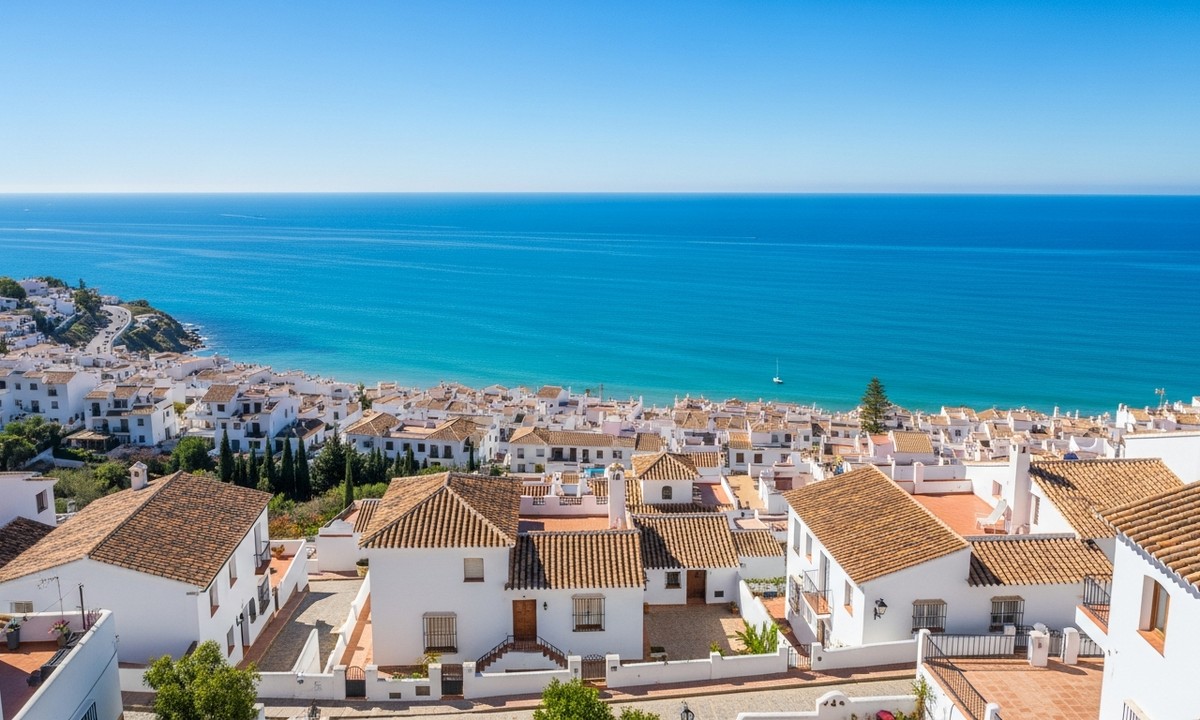
Buying property in Spain is one of the most rewarding decisions you can make — whether you're looking for a holiday home, a permanent relocation, or an investment that generates rental income. Spain remains the top destination for European property buyers, and in 2026 the fundamentals are stronger than ever: a recovering market, competitive mortgage rates, world-class infrastructure, and over 300 days of sunshine a year on the Mediterranean coast.
This comprehensive guide walks you through every stage of the process, from choosing the right area to collecting your keys at the notary. We've linked to our in-depth articles on each topic so you can dive deeper wherever you need more detail.
At Granfield Estate, we’ve guided hundreds of European buyers through this exact process on the Costa Blanca. As a licensed real estate agency (RAICV1663) and a member of Asivega — the largest association of estate agents in the region — we see first-hand what makes a purchase go smoothly and where buyers run into avoidable problems. This guide draws directly on that experience.
Why Buy Property in Spain in 2026?
Spain offers a combination that's hard to beat anywhere in Europe. Property prices on the Costa Blanca remain 30–50% below peak markets like the French Riviera or the Balearic Islands, yet the lifestyle is comparable. Healthcare is excellent, the cost of living is reasonable, and the infrastructure — motorways, airports, high-speed rail — makes it easy to stay connected with the rest of Europe.
In 2026, several factors make the timing particularly attractive:
- EURIBOR stabilisation: After the rate hikes of 2022–2024, the European Central Bank has been cutting rates. The 12-month EURIBOR has settled around 2.5%, making mortgage payments significantly more affordable than they were two years ago.
- Strong rental demand: Tourism in Spain continues to break records. Short-term rental yields on the Costa Blanca range from 5% to 8% gross, depending on location and property type.
- Flight connectivity: Alicante-Elche Airport serves over 80 destinations across Europe. Budget airlines keep fares competitive, meaning your Spanish property is rarely more than 2–3 hours from home.
- Quality of life: The cost of living on the Costa Blanca is roughly 30–40% lower than in the UK, Scandinavia, or Germany — without sacrificing quality.
Choosing the Right Area: Costa Blanca South
The Costa Blanca stretches from Denia in the north to Pilar de la Horadada in the south. The southern section — from Alicante down to the Murcia border — is where most European buyers focus, thanks to lower prices, warmer winters, and a well-established international community.
Here are the key areas to consider:
Torrevieja
The largest city on the southern Costa Blanca, Torrevieja has a year-round population of around 80,000 — with a significant proportion of Scandinavian, British, and Eastern European residents. It offers the widest range of services: hospitals, international schools, large supermarkets, and a vibrant market scene. If you want to read our neighbourhood-by-neighbourhood breakdown, see our guide to the best areas to live in Torrevieja. For a full walkthrough of buying here, we've also written a dedicated step-by-step guide to buying an apartment in Torrevieja.
Orihuela Costa
Just south of Torrevieja, Orihuela Costa is a purpose-built resort area stretching along the coast. It's known for modern urbanisations, golf courses, and beaches like Playa Flamenca, La Zenia, and Cabo Roig. Prices tend to be slightly higher than central Torrevieja but you get newer builds and more community amenities (pools, gardens, security). Explore our guide to Orihuela Costa areas for a detailed look at each neighbourhood.
Guardamar del Segura
A quieter, more traditionally Spanish town with beautiful pine-backed dunes and a long sandy beach. Guardamar attracts buyers who prefer a more authentic atmosphere. Note that Guardamar has restrictions on short-term tourist rental, so it's better suited for long-term living or medium-term rentals.
La Mata
Sitting between Torrevieja and Guardamar, La Mata offers a long stretch of natural beach backed by salt lakes and a nature reserve. It's popular with families and retirees looking for a peaceful setting that's still close to Torrevieja's amenities.
Alicante City
The provincial capital offers urban living with a beach: restaurants, museums, a historic old town (Barrio de Santa Cruz), and the iconic Castillo de Santa Bárbara. Property prices are higher than the southern coast but you gain better public transport, universities, and a truly year-round Spanish city atmosphere.

The Buying Process Step by Step
Buying property in Spain is straightforward once you understand the sequence. As an EU or EEA citizen, you have full rights to purchase property — no special permits required. Non-EU buyers (British post-Brexit, for example) also face no restrictions on property ownership, though some administrative steps differ slightly.
Step 1: Get Your NIE Number
The NIE (Número de Identidad de Extranjero) is your foreign tax identification number. You cannot buy property, open a bank account, or sign a contract in Spain without one. You can apply at a Spanish consulate in your home country or at the local police station (Comisaría) in Spain. The process typically takes 1–3 weeks. Read our complete guide to getting your NIE in Spain in 2026 for detailed instructions, required documents, and current processing times.
Step 2: Open a Spanish Bank Account
You'll need a Spanish bank account to pay for the property, set up direct debits for utilities and community fees, and potentially receive rental income. Major banks like CaixaBank, BBVA, Sabadell, and Bankinter all offer non-resident accounts. Our guide to opening a bank account in Spain covers the requirements and recommended banks.
Step 3: Find Your Property
Most buyers start their search online. Idealista is Spain's largest property portal and an excellent starting point. However, working with a local estate agent gives you access to properties that aren't listed online, local market knowledge, and guidance through the legal process. Many buyers also look at bank-repossessed properties for below-market deals.
From our experience, one of the most common mistakes is viewing properties without professional guidance. One of our clients from Finland, for example, nearly purchased an apartment with unregistered building modifications — something that would have caused serious legal and financial problems down the line. A qualified local agent and an independent lawyer caught it during due diligence.
Step 4: Make an Offer and Sign the Reservation Contract
Once you've found a property, you make a verbal offer through your agent. If accepted, the next step is a reservation contract (contrato de reserva). You typically pay a reservation deposit of 3,000–6,000 EUR to take the property off the market. This deposit is usually non-refundable unless the sale falls through due to the seller's fault.
Step 5: Legal Due Diligence
This is where your lawyer earns their fee. Before you proceed, they should check:
- The Nota Simple from the Land Registry — confirming ownership, boundaries, and any charges or liens
- Outstanding debts (mortgages, embargoes, unpaid taxes)
- Community fee status — confirm the seller is up to date
- Building permits and licences — particularly important for villas or properties with extensions
- IBI receipts (local property tax) — ensure all years are paid
- Energy Performance Certificate (certificado energético) — legally required for all sales
Step 6: Sign the Arras Contract (Private Purchase Contract)
The arras contract (contrato de arras) is the binding purchase agreement. You typically pay 10% of the purchase price as a deposit. Under Spanish law (arras penitenciales), if the buyer withdraws, they lose the deposit. If the seller withdraws, they must return double the deposit. The contract sets the completion date, usually 4–8 weeks later.

Step 7: Completion at the Notary (Escritura)
On the agreed date, buyer and seller (or their legal representatives) meet at the notary's office. The notary reads the escritura pública (public deed of sale), both parties sign, and the remaining balance is paid — typically by banker's cheque. The notary then submits the deed to the Land Registry for registration. Congratulations — you own Spanish property.
Costs and Taxes When Buying
Beyond the purchase price, budget an additional 10–13% for taxes and fees. The exact percentage depends on whether you're buying a resale or new-build property, and which region you're in. For a detailed breakdown, see our complete guide to taxes when buying property in Spain.
Resale Properties
- ITP (Impuesto de Transmisiones Patrimoniales): Transfer tax on resale properties. In the Valencia region (which includes Costa Blanca), the rate is 10% of the declared purchase price.
- Notary fees: 600–1,200 EUR depending on the property price
- Land Registry fees: 400–700 EUR
- Legal fees: Typically 1% of the purchase price (minimum 1,500 EUR). Always use an independent lawyer — never the seller's.
New-Build Properties
- IVA (VAT): 10% of the purchase price
- AJD (Stamp Duty): 1.5% in the Valencia region
- Notary, registry, and legal fees: Same as resale
Example: For a resale apartment priced at 150,000 EUR, expect to pay approximately 15,000 EUR in ITP, 1,500 EUR in legal fees, and 1,000–1,500 EUR in notary and registry fees — bringing your total to around 167,000–168,000 EUR.
Mortgage Options for Foreign Buyers
Spanish banks actively lend to non-resident foreign buyers. The terms are typically:
- Loan-to-value (LTV): Up to 70% for non-residents (compared to 80% for residents)
- Term: Up to 20–25 years, with the mortgage needing to be repaid before the borrower turns 75
- Interest rates: Variable rates (EURIBOR + 1.0–1.8%) or fixed rates (2.5–3.5% in 2026). Read our EURIBOR and interest rates analysis for current figures
- Arrangement fees: 0.5–1% of the loan amount
- Valuation: The bank will commission an independent valuation (tasación), costing 300–500 EUR
To apply, you'll need proof of income (employment contract or tax returns for the last 2 years), bank statements, a credit report from your home country, and your NIE. Our detailed guide to getting a mortgage in Spain covers everything from application to approval.
Online Portals vs. Working with an Agent
Spain's property market is well-served by online portals. Idealista lists hundreds of thousands of properties and is the go-to platform for most buyers. Fotocasa and Habitaclia are also popular. These portals let you filter by location, price, size, and features — and many listings include floor plans and virtual tours.
However, there are good reasons to work with a local estate agent:
- Off-market properties: Not everything is listed online. Agents often know about properties before they hit the portals.
- Local knowledge: An agent can tell you which streets flood in heavy rain, where the new bypass is planned, or which urbanisations have the best community management.
- Negotiation: In Spain, there's almost always room to negotiate. An experienced agent knows the local market and can advise on a realistic offer.
- Process management: A good agent coordinates viewings, connects you with lawyers and mortgage brokers, and keeps the transaction on track.
In Spain, the seller typically pays the agent's commission (3–5%), so using an agent doesn't cost the buyer anything.
Key Checks Before You Buy
Never skip due diligence. Here are the essential checks your lawyer should perform:
- Nota Simple: This document from the Registro de la Propiedad confirms who owns the property, its exact description, and whether there are any charges, mortgages, or embargoes registered against it. It costs around 10 EUR and takes 24–48 hours.
- Outstanding debts: Check for unpaid IBI (property tax), community fees, or utility bills. Under Spanish law, certain debts can transfer to the new owner.
- Community certificate: The seller should provide a certificate from the community administrator confirming all fees are paid and no special assessments (derramas) are pending.
- Building legality: Verify that the property — and any extensions, pools, or terraces — have proper building permits. This is especially important for older villas and country properties.
- Urban planning: Check with the local town hall (Ayuntamiento) that no planned developments (roads, infrastructure) will affect the property.
After the Purchase
Once you have the keys, there are ongoing costs and administrative tasks to manage:
Annual Costs
- IBI (Impuesto sobre Bienes Inmuebles): Annual property tax, typically 300–800 EUR for an apartment, 500–1,500 EUR for a villa. Paid to the local Ayuntamiento.
- Community fees (gastos de comunidad): Monthly charges for shared areas, swimming pool, gardens, lifts, and building insurance. Range from 30 EUR/month for a basic apartment block to 150+ EUR/month for a luxury urbanisation with extensive facilities.
- Non-resident income tax (IRNR): Even if you don't rent the property, non-residents must file an annual imputed income tax return. This is calculated as a percentage of the cadastral value — typically a modest amount (200–400 EUR/year).
- Home insurance: Building and contents insurance runs 200–500 EUR/year depending on the property size and coverage level.
- Utilities: Electricity, water, and internet. Budget 100–200 EUR/month for a typical apartment.
Setting Up Utilities
Your lawyer or agent can help transfer electricity (Iberdrola, Endesa, or Repsol), water (depends on the municipality), and internet (Movistar, Orange, Vodafone) into your name. This usually requires your NIE, the escritura, and a Spanish bank account for direct debits.
Rental Income Potential
If you're buying as an investment — or simply want to offset costs when you're not using the property — the Costa Blanca offers strong rental potential.
- Short-term holiday rentals: A well-located 2-bedroom apartment in Torrevieja or Orihuela Costa can generate 8,000–15,000 EUR/year in rental income, with peak months (June–September) commanding 80–120 EUR/night. You'll need a tourist licence (licencia turística) from the Valencia regional government.
- Long-term rentals: Annual lets typically yield 4–6% gross. A 2-bedroom apartment renting for 500–700 EUR/month provides steady income with less management hassle.
- Tax on rental income: EU/EEA residents pay 19% tax on net rental income (after deductible expenses). Non-EU residents pay 24% on gross income.
Note: Some municipalities — including Guardamar del Segura — have restrictions on short-term tourist rentals. Always check local regulations before purchasing with rental income in mind.
Frequently Asked Questions
Do I need a visa or residence permit to buy property in Spain?
No. Any person of any nationality can buy property in Spain. Ownership does not require residency or a visa. EU/EEA citizens can live in Spain freely. Non-EU citizens can buy property but would need a separate visa or residence permit if they wish to live in Spain long-term.
How long does the buying process take?
From finding a property to collecting the keys, the typical timeline is 6–10 weeks. Getting the NIE takes 1–3 weeks, the arras-to-completion period is usually 4–8 weeks. If you're getting a mortgage, allow 4–6 weeks for bank approval on top of that.
Can I buy property remotely without travelling to Spain?
Yes. You can grant power of attorney (poder notarial) to your lawyer, who can sign on your behalf at the notary. Many buyers do the initial viewing trip in person, then handle the legal process remotely.
What is the minimum budget for a property on the Costa Blanca?
Studio apartments in Torrevieja start from around 50,000–60,000 EUR. A 2-bedroom apartment in reasonable condition typically starts at 80,000–100,000 EUR. Modern, well-located 2-bedroom apartments range from 120,000–180,000 EUR. Detached villas with a pool start from around 250,000 EUR.
Should I use a Spanish lawyer or one from my home country?
Always use an independent lawyer who is licensed to practise in Spain. Ideally, find one who speaks your language and specialises in property conveyancing. Never use the same lawyer as the seller — your interests may conflict.
What happens if I find problems after buying?
This is why due diligence is critical. If structural defects exist in a new-build, Spanish law provides a 10-year warranty. For resale properties, the principle of "buyer beware" applies — which is precisely why you need a good lawyer to check everything before you sign.
Your Next Steps
Buying property in Spain is a well-trodden path — thousands of Europeans do it every year. The key is preparation: get your NIE sorted early, open your bank account, understand the tax implications, and work with professionals you trust.
How Granfield Estate Helps You Buy Property in Spain
As a licensed agency based on the Costa Blanca, we handle every step of the buying process — so you don’t have to navigate it alone:
- Local agents who know every neighbourhood: Our team lives and works in Torrevieja, Orihuela Costa, and the surrounding areas. We’ll help you find the right property for your budget, lifestyle, and investment goals.
- In-house lawyer with 10+ years of experience: NIE applications, bank accounts, contract review, due diligence, and notary — our legal team handles it all. Free initial consultation online.
- Property management: If you’re buying for rental income, our management company handles short-term and long-term lettings professionally.
We speak your language — our agents work in English, Spanish, Russian, Finnish, Swedish, German, and more.
Granfield Estate
Browse our listings · Contact us
Why Granfield Estate?
-
⚑
We live on the coast
Our team lives and works on the Costa Blanca. We know every neighbourhood, every street and the real prices — not from a catalogue, but from daily work on the ground.
-
⚖
In-house lawyer — 10+ years of experience
NIE, bank account, property check, contract, notary — legal support at every step. First consultation free.
-
🏠
Property management
Buying to rent? Our management company handles tenant search, maintenance and all questions.
-
🌐
We speak your language
English, Spanish, Russian, German, Finnish, Swedish and more. Licence RAICV 1663, member of Asivega.
Read also

5 Places in Torrevieja I'd Never Buy Property
28.10.2024
Torrevieja is a city of contrasts: great residential complexes sit alongside areas with questionable construction quality. An experienced estate agent honestly names five places where he would never buy property himself, and explains why. Essential reading before you start your search.

5 Reasons Why People Buy Property in Spain
08.03.2026
A seaside retreat, rental income, a smart investment, a path to residency — every buyer has their own motivation. We break down five key reasons people choose the Costa Blanca coast and what they actually gain. Real advantages, honestly presented.

5 Reasons Why Property in Torrevieja Won't Get Cheaper
09.03.2026
Many buyers wait for prices to drop — and lose precious time. Population growth, a shortage of new developments, limited supply near the sea and several more factors explain why prices in Torrevieja will keep rising. Those who put off buying five years ago can no longer afford a two-bedroom flat.