


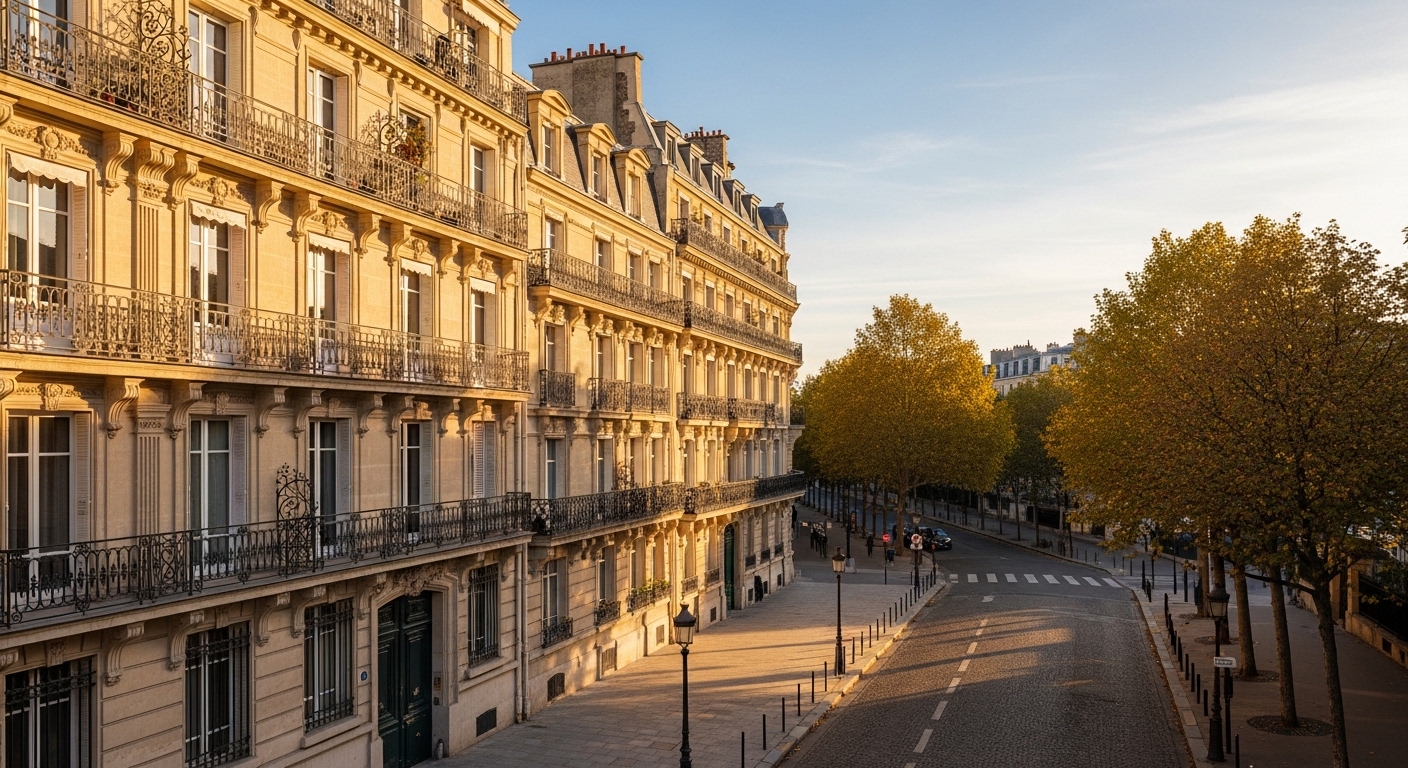
Why Madrid? Spain's Capital as a Property Destination
Madrid is not just Spain's political capital; it is the country's economic engine, cultural heart, and an increasingly attractive destination for international property buyers. With a metropolitan population exceeding 6.7 million, a booming tech and business scene, and some of Europe's most vibrant neighborhoods, Madrid offers a compelling combination of lifestyle appeal and investment potential.
Unlike the coastal resort markets, Madrid's property demand is driven by year-round residents, professionals, students, and a thriving rental market. For investors, this means more stable occupancy and less seasonality risk. For lifestyle buyers, it means world-class dining, museums, nightlife, and connectivity to the rest of Europe via high-speed rail and an international airport.
Neighborhood Guide: Where to Buy in Madrid
Madrid's real estate market is defined by its barrios (neighborhoods), each with a distinct personality, price bracket, and investment profile. Below we cover the most important areas for foreign buyers and investors.
Salamanca: Madrid's Premier Luxury District
Salamanca is Madrid's most prestigious residential address. Developed in the 19th century on an elegant grid plan, the district is home to flagship boutiques along Calle Serrano and Calle Ortega y Gasset, Michelin-starred restaurants, and some of the finest residential architecture in Spain. Properties here range from grand period apartments with high ceilings and ornate facades to modern penthouses in renovated buildings.
Price range: €5,000–€8,000/m², with prime "Milla de Oro" (Golden Mile) addresses occasionally exceeding €10,000/m².
Who it suits: High-net-worth buyers seeking blue-chip real estate, corporate executives, and those who value walkable luxury and proximity to international schools.
Chamberí: Upscale Residential Living
Just north of the city center, Chamberí is favored by well-to-do Spanish families and an increasing number of foreign professionals. The neighborhood retains an authentic, village-like atmosphere with traditional markets such as Mercado de Vallehermoso, leafy plazas, and excellent local restaurants. Architecture is predominantly early-to-mid 20th century, with spacious flats and well-maintained communal buildings.
Price range: €4,000–€6,000/m².
Who it suits: Families seeking top-tier public and private schooling, professionals who want a quiet yet central location, and investors targeting the high-quality long-term rental segment.
Lavapiés: Multicultural and Gentrifying
Lavapiés, located south of the Puerta del Sol, is one of Madrid's most culturally diverse neighborhoods. Over the past decade it has undergone significant gentrification, attracting artists, young professionals, and a wave of new restaurants, galleries, and co-working spaces. Despite rising prices, it remains one of the more affordable central neighborhoods, making it attractive for investors looking for capital appreciation.
Price range: €3,000–€4,500/m².
Who it suits: Value-oriented investors betting on continued gentrification, buy-to-let buyers targeting the young professional rental market, and lifestyle buyers who appreciate cultural diversity.
Malasaña: Trendy, Creative, and in Demand
Malasaña is Madrid's hipster epicenter. Centered around Plaza del Dos de Mayo, the barrio is packed with independent boutiques, vinyl record shops, craft cocktail bars, and some of the city's best brunch spots. Property here is in high demand among younger Spanish and international buyers, and well-renovated flats command strong premiums.
Price range: €3,500–€5,000/m².
Who it suits: Young professionals, digital nomads seeking a permanent base, short-term rental investors (subject to licensing regulations), and anyone who values nightlife and creative energy.
La Latina: Historic Charm and the Tapas Scene
La Latina is one of Madrid's oldest quarters, known for its winding medieval streets, the iconic El Rastro Sunday flea market, and Calle de la Cava Baja—arguably the most famous tapas street in Spain. The area has a warm, convivial atmosphere and attracts both Spanish and international buyers drawn to its character.
Price range: €3,500–€5,500/m², depending on the specific street and property condition.
Who it suits: Lifestyle buyers who value history and gastronomy, pied-à-terre purchasers, and investors in the boutique holiday rental segment.
Retiro: The Park Proximity Premium
Living near the Parque del Retiro—Madrid's equivalent of Central Park or Hyde Park—comes at a premium, and for good reason. The Retiro district offers tree-lined avenues, proximity to the Prado and Reina Sofía museums, and a sense of calm that is rare in a major European capital. Properties overlooking the park or on streets like Calle de Ibiza and Calle de Narváez are consistently sought after.
Price range: €4,000–€6,500/m², with park-facing units at the higher end.
Who it suits: Families, retirees, and professionals who prioritize green space and a quieter lifestyle without sacrificing centrality.
Neighborhood Comparison at a Glance
| Neighborhood | Price Range (€/m²) | Character | Rental Yield | Best For |
|---|---|---|---|---|
| Salamanca | 5,000–8,000 | Luxury, upscale shopping | 3.0–3.5% | Premium investment, executives |
| Chamberí | 4,000–6,000 | Residential, family-friendly | 3.5–4.0% | Families, long-term rentals |
| Lavapiés | 3,000–4,500 | Multicultural, gentrifying | 4.0–5.0% | Value investors, young renters |
| Malasaña | 3,500–5,000 | Trendy, nightlife, creative | 3.5–4.5% | Young professionals, short-term lets |
| La Latina | 3,500–5,500 | Historic, gastronomy hub | 3.5–4.0% | Lifestyle buyers, pied-à-terre |
| Retiro | 4,000–6,500 | Green, elegant, museum quarter | 3.0–3.5% | Families, retirees, park lovers |
Rental Yields and Investment Returns
Madrid's gross rental yields typically fall in the 3–5% range, varying by neighborhood and property type. The general pattern is straightforward: more affordable, up-and-coming neighborhoods like Lavapiés deliver higher yields, while prime areas like Salamanca and Retiro offer lower yields but stronger capital appreciation over time.
- Lavapiés and outer districts: Gross yields of 4–5%, driven by strong demand from young professionals and students at affordable rent levels.
- Malasaña and La Latina: Yields of 3.5–4.5%, supported by tourist-driven short-term rental demand (where licensed) and a vibrant long-term rental market.
- Salamanca and Retiro: Yields of 3–3.5%, compensated by consistent capital gains and very low vacancy rates among quality tenants.
- Chamberí: Yields of 3.5–4%, with excellent tenant retention due to the family-oriented profile of the neighborhood.
It is important to note that Madrid's regional government regulates short-term tourist rentals. Licenses are required and, in some central zones, are difficult to obtain. Investors planning a holiday-let strategy must verify licensing feasibility before purchasing.
Madrid as an Investment: The Bigger Picture
Several structural factors make Madrid a strong long-term real estate investment:
- Economic hub: Madrid generates roughly 19% of Spain's GDP. It is home to the headquarters of most major Spanish companies, a growing number of multinational European headquarters (particularly after Brexit), and a burgeoning startup ecosystem.
- Population growth: The city continues to attract domestic and international migration, underpinning housing demand.
- Capital appreciation: Over the past decade, prime Madrid property has appreciated at an average of 4–6% annually, outpacing inflation and most fixed-income investments.
- Limited new supply: Central Madrid has very limited land for new development, constraining supply and supporting prices in established neighborhoods.
- Golden Visa abolished (2025): Spain's Golden Visa program for property investment was terminated on 3 April 2025 — buying property no longer grants residency by itself and new applications are no longer accepted (existing holders keep their status and can renew). Even so, Madrid remains a key destination for international buyers seeking European residency.
Madrid vs. Barcelona: A Price Comparison
Madrid and Barcelona are Spain's two major property markets, and buyers frequently weigh one against the other. Here is how they compare:
- Average prices: Madrid's city-wide average price per square meter is broadly comparable to Barcelona's, but Madrid offers more space for the same budget in most equivalent neighborhoods.
- Prime segment: Salamanca in Madrid and Eixample/Sarrià in Barcelona are similarly priced at the top end (€6,000–€8,000/m²), though Barcelona's seafront properties can command a coastal premium.
- Rental regulation: Catalonia has implemented stricter rent control measures than Madrid, which can affect investor returns in Barcelona. Madrid's rental market operates under national legislation with fewer regional restrictions.
- Yield advantage: Madrid generally offers slightly higher rental yields than Barcelona, particularly in the mid-market segment, due to lower entry prices relative to rents.
- Market stability: Madrid's market has historically been less volatile than Barcelona's, which can be influenced by political factors related to the Catalan independence debate.
For investors prioritizing yield and regulatory predictability, Madrid often edges ahead. For lifestyle buyers seeking beach access and Mediterranean climate, Barcelona holds obvious appeal.
Transport and Connectivity
Madrid's transport infrastructure is among the best in Europe, a critical factor for both residents and property values.
Metro de Madrid
With over 300 stations across 13 lines, Madrid's Metro is the third-largest in Europe by network length. Properties within a five-minute walk of a Metro station command a measurable premium, typically 5–10% above comparable properties further away. The system is clean, safe, and efficient, operating from 6:00 a.m. to 1:30 a.m. daily.
Cercanías (Commuter Rail)
The Cercanías network connects central Madrid to suburban towns and satellite cities, making outer areas viable for commuters and expanding the catchment for rental tenants. Key suburban markets accessible by Cercanías include Alcobendas, Las Rozas, Pozuelo de Alarcón, and Getafe.
AVE High-Speed Rail
Madrid is the hub of Spain's AVE high-speed rail network, with direct services to Barcelona (2.5 hours), Seville (2.5 hours), Valencia (1.5 hours), and Málaga (2.5 hours). The Atocha and Chamartín stations are major transport nodes, and proximity to either is a selling point for properties aimed at frequent travelers and business professionals.
Adolfo Suárez Madrid-Barajas Airport
Spain's busiest airport handles over 60 million passengers annually and offers direct flights to major cities worldwide. It is connected to the city center by Metro (Line 8) in approximately 30 minutes, making Madrid exceptionally accessible for international buyers who split time between countries.
International Schools and Education
Madrid is home to a wide selection of international schools, a major draw for expatriate families. Notable institutions include:
- International School of Madrid (ISM): IB curriculum, located in the northern suburbs.
- King's College Madrid: British curriculum, with campuses in Soto de Viñuelas and La Moraleja.
- Lycée Français de Madrid: French curriculum, centrally located in Conde de Orgaz.
- Deutsche Schule Madrid: German curriculum, in Montecarmelo.
- American School of Madrid: US curriculum, in Pozuelo de Alarcón.
Most international schools are concentrated in the northern and western suburbs (Pozuelo, La Moraleja, Las Rozas), which is reflected in property prices in those areas. Families specifically seeking school proximity should consider Chamberí and Salamanca for central living with manageable school commutes, or the suburbs themselves for larger homes with gardens.
Healthcare
Madrid's healthcare system is among the best in Spain. The city boasts both excellent public hospitals under the national health system (SNS) and a strong network of private clinics and hospitals. Key facilities include:
- Hospital Universitario La Paz: One of Spain's largest and most respected public hospitals.
- Fundación Jiménez Díaz: Top-ranked private hospital with international patient services.
- Hospital Universitario HM Sanchinarro: Modern private facility in the north of the city.
- Clínica Universidad de Navarra (Madrid campus): Nationally renowned private clinic.
For foreign buyers, access to private healthcare is straightforward through insurance providers such as Sanitas, Adeslas, and Cigna Spain. Many private hospitals offer services in English and other languages. Proximity to quality healthcare is another factor that supports property values in central and northern Madrid districts.
Practical Considerations for Buyers
- Transaction costs: Budget approximately 10–12% on top of the purchase price for taxes (ITP at 6% for resale properties in Madrid), notary fees, registration, and legal costs.
- IBI (property tax): Madrid's annual property tax is relatively moderate compared to other European capitals, typically ranging from €500 to €2,000 per year for a standard apartment.
- Community fees: Monthly communal charges in apartment buildings average €50–€150 depending on building services (concierge, pool, etc.).
- Mortgage access: Non-resident buyers can typically obtain mortgages covering 60–70% of the property value from Spanish banks, with interest rates that have stabilized following the ECB rate adjustments.
- Legal advice: Always engage an independent Spanish property lawyer (abogado) before signing any contract. This is particularly important for verifying the property's legal status, debts, and compliance with building regulations.
Conclusion
Madrid offers one of the most balanced property markets in southern Europe: strong fundamentals, diverse neighborhoods for every budget and lifestyle, robust transport infrastructure, and a rental market supported by genuine year-round demand. Whether you are seeking a family home in Chamberí, a luxury investment in Salamanca, or a high-yield buy-to-let in Lavapiés, Madrid rewards careful research with solid returns and an exceptional quality of life.
As Spain's capital continues to attract international businesses and talent, the structural case for Madrid property ownership only strengthens. For buyers ready to navigate the market with professional guidance, Madrid represents one of the most compelling real estate opportunities in Europe today.
Frequently Asked Questions
Neighborhood Guide: Where to Buy in Madrid?
Madrid's real estate market is defined by its barrios (neighborhoods), each with a distinct personality, price bracket, and investment profile. Below we cover the most important areas for foreign buyers and investors. Salamanca: Madrid's Premier Luxury District
Salamanca is Madrid's most prestigious residential address. Developed in the 19th century on an elegant grid plan, the district is home to flagship boutiques along Calle Serrano and Calle Ortega y Gasset, Michelin-starred restaurants, and some of the finest residential architecture in Spain. Properties here range from grand period apartments with high ceilings and ornate facades to modern penthouses in renovated buildings.
Rental Yields and Investment Returns?
Madrid's gross rental yields typically fall in the 3–5% range, varying by neighborhood and property type. The general pattern is straightforward: more affordable, up-and-coming neighborhoods like Lavapiés deliver higher yields, while prime areas like Salamanca and Retiro offer lower yields but stronger capital appreciation over time. Lavapiés and outer districts: Gross yields of 4–5%, driven by strong demand from young professionals and students at affordable rent levels. Malasaña and La Latina: Yields of 3.5–4.5%, supported by tourist-driven short-term rental demand (where licensed) and a vibrant long-term rental market. Salamanca and Retiro: Yields of 3–3.5%, compensated by consistent capital gains and very low vacancy rates among quality tenants. Chamberí: Yields of 3.5–4%, with excellent tenant retention due to the family-oriented profile of the neighborhood. It is important to note that Madrid's regional government regulates short-term tourist rentals. Licenses are required and, in some central zones, are difficult to obtain. Investors planning...
Madrid vs. Barcelona: A Price Comparison?
Madrid and Barcelona are Spain's two major property markets, and buyers frequently weigh one against the other. Here is how they compare: Average prices: Madrid's city-wide average price per square meter is broadly comparable to Barcelona's, but Madrid offers more space for the same budget in most equivalent neighborhoods. Prime segment: Salamanca in Madrid and Eixample/Sarrià in Barcelona are similarly priced at the top end (€6,000–€8,000/m²), though Barcelona's seafront properties can command a coastal premium. Rental regulation: Catalonia has implemented stricter rent control measures than Madrid, which can affect investor returns in Barcelona. Madrid's rental market operates under national legislation with fewer regional restrictions. Yield advantage: Madrid generally offers slightly higher rental yields than Barcelona, particularly in the mid-market segment, due to lower entry prices relative to rents. Market stability: Madrid's market has historically been less volatile than Barcelona's, which can be influenced by political factors related to the Catalan...
International Schools and Education?
Madrid is home to a wide selection of international schools, a major draw for expatriate families. Notable institutions include: International School of Madrid (ISM): IB curriculum, located in the northern suburbs. King's College Madrid: British curriculum, with campuses in Soto de Viñuelas and La Moraleja. Lycée Français de Madrid: French curriculum, centrally located in Conde de Orgaz. Deutsche Schule Madrid: German curriculum, in Montecarmelo. American School of Madrid: US curriculum, in Pozuelo de Alarcón.
Most international schools are concentrated in the northern and western suburbs (Pozuelo, La Moraleja, Las Rozas), which is reflected in property prices in those areas. Families specifically seeking school proximity should consider Chamberí and Salamanca for central living with manageable school commutes, or the suburbs themselves for larger homes with gardens.
Practical Considerations for Buyers?
Transaction costs: Budget approximately 10–12% on top of the purchase price for taxes (ITP at 6% for resale properties in Madrid), notary fees, registration, and legal costs. IBI (property tax): Madrid's annual property tax is relatively moderate compared to other European capitals, typically ranging from €500 to €2,000 per year for a standard apartment. Community fees: Monthly communal charges in apartment buildings average €50–€150 depending on building services (concierge, pool, etc.). Mortgage access: Non-resident buyers can typically obtain mortgages covering 60–70% of the property value from Spanish banks, with interest rates that have stabilized following the ECB rate adjustments. Legal advice: Always engage an independent Spanish property lawyer (abogado) before signing any contract. This is particularly important for verifying the property's legal status, debts, and compliance with building regulations.
Why Granfield Estate?
-
⚑
Office on the coast — we live here
Our office is in La Mata, Torrevieja. We know every neighbourhood, every street and the real prices — not from a catalogue, but from daily work on the ground.
-
⚖
In-house lawyer — 10+ years of experience
NIE, bank account, property check, contract, notary — legal support at every step. First consultation free.
-
🏠
Property management
Buying to rent? Our management company handles tenant search, maintenance and all questions.
-
🌐
We speak your language
English, Spanish, Russian, German, Finnish, Swedish and more. Licence RAICV 1663, member of Asivega.
Granfield Estate · Av. Bélgica 1, C.C. Parquemar, La Mata, 03188 Torrevieja · +34 865 44 33 33
Read also

Benidorm: Investment and Rental Property
21.05.2026
Complete guide to property investment in Benidorm: 6-8% rental yields, area comparisons, updated prices and year-round rental potential.

Costa Blanca Property Guide 2026: Complete Buyer's Handbook
22.05.2026
Everything you need to know about buying property on Spain's Costa Blanca — from Dénia in the north to Torrevieja in the south, with real prices, honest area comparisons, and practical advice.

Costa del Sol Property Guide: Malaga to Gibraltar
23.05.2026
From Marbella luxury to Nerja charm — a complete guide to buying property on Spain's Costa del Sol, with prices, area comparisons, and investment insights.