


Why the Canary Islands Are Different from Mainland Spain
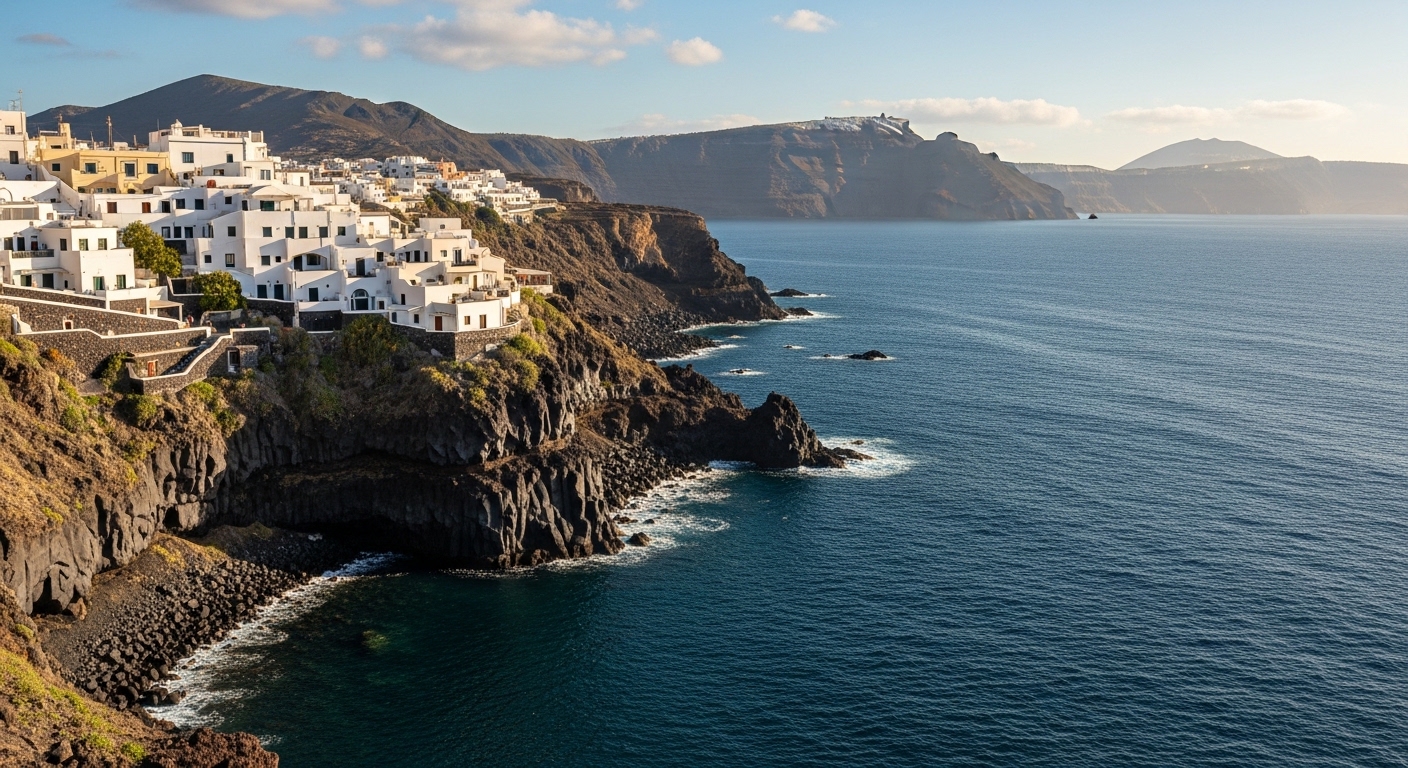
The Canary Islands occupy a unique position in the Spanish property landscape. Situated roughly 100 kilometres off the northwest coast of Africa, this autonomous community of seven main islands offers buyers something mainland Spain simply cannot replicate: a subtropical climate with year-round temperatures between 20 and 28 degrees Celsius, a distinct tax regime that lowers your cost of living, and a multicultural atmosphere shaped by decades of Northern European migration.
While the islands are fully part of Spain and the European Union, they operate under the Canary Islands Economic and Fiscal Zone (ZEC), which grants residents and businesses significant fiscal advantages. For property buyers, the most immediate difference is the replacement of mainland Spain's IVA (value-added tax at 21%) with the IGIC (Impuesto General Indirecto Canario), which stands at just 7%. This single difference can save buyers thousands of euros on new-build purchases and renovation services.
Beyond taxation, the lifestyle is fundamentally different. The pace is slower, the cost of groceries and dining is noticeably lower than on the Spanish coast, and the landscape varies from black-sand beaches and volcanic peaks to lush laurel forests and banana plantations. If you are considering buying property in Spain but want something beyond the typical Costa del Sol or Costa Blanca experience, the Canary Islands deserve serious attention.
Tenerife: The Largest and Most Diverse Island
Tenerife is the largest of the Canary Islands and the most popular with international property buyers. Its geography is dominated by Mount Teide, Spain's highest peak at 3,718 metres, which creates a dramatic divide between the greener, cloudier north and the sun-drenched south. This split means buyers can choose between two quite different lifestyles on a single island.
Santa Cruz de Tenerife
The island's capital is a genuine working city rather than a tourist resort. Santa Cruz offers urban amenities — universities, hospitals, cultural venues, and a thriving commercial centre — at prices well below comparable mainland cities. Two- and three-bedroom apartments in central neighbourhoods typically range from €130,000 to €220,000, making it an attractive option for remote workers and retirees who want city life without the price tag of Barcelona or Madrid. The recently redeveloped waterfront area and the stunning Auditorio de Tenerife concert hall add real cultural value.
Adeje and Costa Adeje
Costa Adeje, on the island's southwest coast, is the premium resort area and the engine of Tenerife's tourist rental market. This is where you will find the highest-quality developments, luxury villas with ocean views, and international five-star hotels. Property prices here reflect the desirability: modern two-bedroom apartments start around €200,000 to €300,000, while villas with pools and sea views can command €400,000 to €800,000 or more. Rental yields in Costa Adeje's best locations consistently reach 6 to 8 percent gross thanks to year-round tourist demand.
Los Cristianos
Adjacent to Costa Adeje but with a more traditional feel, Los Cristianos began as a fishing village and retains a walkable, town-centre charm that many expats prefer. The property market here is more accessible, with one- and two-bedroom apartments available from €120,000 to €200,000. Los Cristianos has a well-established British and Scandinavian community, an extensive range of restaurants and shops, and a ferry terminal connecting to La Gomera and other islands.
Puerto de la Cruz
On the northern coast, Puerto de la Cruz offers a completely different proposition. The town has a long history as a resort — it was the Canary Islands' first tourist destination — and it retains an authentic Spanish atmosphere with leafy plazas, traditional architecture, and the famous Lago Martianez seawater pools designed by the Canarian artist Cesar Manrique. Property prices in the north are generally 20 to 30 percent lower than in the south, with apartments available from €100,000 to €180,000. The trade-off is slightly more cloud cover, though temperatures remain mild throughout the year.
Gran Canaria: The Continental Island
Gran Canaria is often called a "miniature continent" for good reason. Within a radius of just 25 kilometres you can move from the sand dunes of Maspalomas to the pine forests of the interior highlands. It is the second most populous Canary Island and offers a more balanced blend of urban sophistication and beach lifestyle than any other island in the archipelago.
Las Palmas de Gran Canaria
With a population of around 380,000, Las Palmas is the largest city in the Canary Islands and joint capital (with Santa Cruz de Tenerife) of the autonomous community. The city has experienced a remarkable renaissance in recent years, driven partly by the influx of digital nomads who have been drawn by the climate, the fast internet infrastructure, and the vibrant coworking scene. Neighbourhoods like Triana, Vegueta (the historic old town), and the beachfront zone of Las Canteras offer a genuinely cosmopolitan urban experience.
Property prices in Las Palmas are competitive by European standards. A renovated two-bedroom apartment in the Triana or Las Canteras area typically costs between €150,000 and €250,000. Penthouses and larger properties with ocean views reach €300,000 to €450,000. The city consistently ranks among Europe's top destinations for remote workers, which supports a strong long-term rental market alongside traditional tourist lets.
Maspalomas and Playa del Ingles
The southern tip of Gran Canaria is the island's tourism powerhouse. Maspalomas is famous for its sweeping sand dunes — a protected natural reserve — and its upscale resort developments. Playa del Ingles, immediately to the east, is livelier and more commercial, with a vast selection of shops, restaurants, and nightlife.
Property in the Maspalomas area ranges from older apartment complexes at around €130,000 to €200,000 to modern villas in gated communities priced at €350,000 to €700,000. The area has a large and well-established German and Scandinavian community, with German-language services, schools, and social clubs readily available. Tourist rental yields in Maspalomas typically fall in the 5 to 7 percent range, supported by high occupancy rates throughout the year.
Comparison: Tenerife vs Gran Canaria
| Factor | Tenerife | Gran Canaria |
|---|---|---|
| Population | ~930,000 | ~850,000 |
| Main city | Santa Cruz de Tenerife | Las Palmas de Gran Canaria |
| Avg. apartment price (resort area) | €180,000 – €300,000 | €150,000 – €250,000 |
| Avg. villa price | €300,000 – €800,000 | €250,000 – €700,000 |
| Tourist rental yield | 6 – 8% | 5 – 7% |
| International airport | Tenerife South (TFS) and Tenerife North (TFN) | Gran Canaria (LPA) |
| Climate (south coast) | 22 – 28°C year-round | 20 – 27°C year-round |
| Largest expat communities | British, Scandinavian, Belgian | German, Scandinavian, Dutch |
| Digital nomad scene | Growing | Well established |
| Nightlife and culture | Good (south coast resorts) | Excellent (Las Palmas) |
| Nature and hiking | Exceptional (Mount Teide, Anaga) | Very good (Roque Nublo, dunes) |
Property Prices at a Glance
Across both islands, the Canary Islands market remains more affordable than the Balearic Islands or the most popular mainland coastal zones. As a general guide for 2026:
- Apartments (1-2 bedrooms): €120,000 – €300,000 depending on location, condition, and proximity to the coast
- Villas and detached houses: €250,000 – €800,000 for properties with gardens, pools, and views
- Luxury segment: €800,000+ for premium beachfront villas and penthouses in Costa Adeje or Maspalomas
- Renovation projects: Traditional Canarian houses in rural areas or smaller towns can be found from €80,000 – €150,000, though renovation costs should be factored in
Prices have risen steadily since 2021 but remain 15 to 25 percent below equivalent properties in Mallorca or Ibiza, making the islands attractive for buyers seeking value alongside strong rental potential.
The IGIC Tax Advantage
One of the most significant financial benefits of buying in the Canary Islands is the IGIC tax system. While mainland Spain applies IVA at 21 percent on new-build property purchases and most services, the Canary Islands levy IGIC at just 7 percent. This means that on a new-build apartment costing €250,000, a buyer in the Canaries pays €17,500 in indirect tax compared to €52,500 on the mainland — a saving of €35,000.
The IGIC advantage extends beyond the purchase itself. Renovation work, legal services, and many day-to-day expenses also attract the lower rate. Combined with generally lower prices for groceries and dining (partly due to reduced import duties within the ZEC framework), the cost of living in the Canary Islands is meaningfully lower than in comparable mainland locations.
Other purchase costs remain broadly similar to mainland Spain: notary fees (€600 – €1,200), land registry fees (€400 – €700), and the property transfer tax on resale properties (6.5% in the Canary Islands). Buyers should budget approximately 8 to 10 percent of the purchase price for total acquisition costs on resale properties.
Rental Yields and the Tourist Market
The Canary Islands received over 16 million tourists in 2025, and the archipelago's year-round season — unlike mainland Spain's heavily summer-weighted pattern — means rental properties can achieve high occupancy throughout all twelve months. This is the single most important factor for investors.
In the best-performing tourist areas — Costa Adeje, Los Cristianos, Maspalomas, and Playa del Ingles — well-managed short-term rental apartments generate gross yields of 5 to 8 percent annually. A two-bedroom apartment in Costa Adeje purchased for €250,000 can realistically generate €15,000 to €20,000 in net annual rental income after management fees and expenses.
It is important to note that the Canary Islands government has been tightening regulations on tourist rentals (viviendas vacacionales). Properties must be registered and meet specific standards, and some municipalities have introduced restrictions on new licences in saturated areas. Buyers intending to rent should verify that a tourist rental licence is available or already in place before completing a purchase.
Long-term rentals also perform well, particularly in Las Palmas and Santa Cruz, where demand from students, remote workers, and local professionals keeps vacancy rates low. Long-term yields are typically lower (3 to 5 percent) but offer more predictable income and fewer management headaches.
The Digital Nomad Appeal
Spain's digital nomad visa, introduced in 2023, has been a catalyst for the Canary Islands property market. The visa allows non-EU remote workers to live in Spain for up to five years, provided they earn income from foreign clients or employers. The Canary Islands — and Las Palmas in particular — have become one of the top destinations globally for this demographic.
The appeal is straightforward: reliable high-speed internet, a time zone compatible with both European and American business hours (GMT/GMT+1), an international airport with direct flights across Europe, and a cost of living substantially lower than London, Amsterdam, or Berlin. Coworking spaces have proliferated across Las Palmas, Santa Cruz, and the southern resort areas. This growing community of location-independent professionals is creating sustained demand for both rental and purchase properties in the mid-range segment.
Scandinavian and German Communities
The Canary Islands have attracted Northern European residents for decades, and today the islands are home to substantial Scandinavian and German expat communities. In southern Tenerife, you will find Norwegian, Swedish, and Finnish community centres, churches, and social organisations. Southern Gran Canaria, particularly around Maspalomas and San Agustin, has a deeply rooted German-speaking community with its own schools, medical clinics, newspapers, and cultural associations.
For buyers from these countries, the practical advantages are considerable. You can find German-speaking estate agents, lawyers, and notaries with ease. Scandinavian buyers benefit from bilateral tax treaties and well-established networks for managing healthcare, pension transfers, and residency paperwork. This infrastructure makes the transition significantly smoother than buying in a less-established expat market.
Flight Connections to Europe
Both Tenerife and Gran Canaria are exceptionally well connected by air. Tenerife South Airport (TFS) handles the majority of international flights, with year-round direct services to London, Manchester, Amsterdam, Oslo, Stockholm, Helsinki, Berlin, Dusseldorf, and many other European cities. Flight times range from approximately 4 hours (from the UK) to 5.5 hours (from Scandinavia). Tenerife North Airport (TFN) primarily serves domestic and inter-island routes.
Gran Canaria Airport (LPA) is similarly well served, with direct connections to most major European hubs. Budget airlines including Ryanair, easyJet, Norwegian, and Eurowings ensure competitive fares, particularly outside peak holiday periods. A one-way flight from Northern Europe to either island typically costs between €50 and €150 when booked in advance.
Inter-island travel is also straightforward, with frequent 30-minute flights between Tenerife and Gran Canaria and fast ferry connections operated by Fred Olsen and Naviera Armas.
Healthcare System
The Canary Islands are served by Spain's public healthcare system, which is consistently ranked among the best in Europe. Both Tenerife and Gran Canaria have large, modern public hospitals — the Hospital Universitario de Canarias in Tenerife and the Hospital Universitario de Gran Canaria Doctor Negrin — along with a network of smaller clinics and health centres across both islands.
EU citizens with an EHIC or S1 form can access public healthcare on the same basis as Spanish residents. Non-EU buyers who obtain residency through property purchase or the digital nomad visa are also eligible for public healthcare after registering with the social security system. Private healthcare is widely available, with facilities such as Hospiten operating modern hospitals in both the north and south of Tenerife and in Las Palmas. Annual private health insurance premiums for expats typically range from €800 to €2,000 depending on age and coverage level.
For retirees and families, the quality and accessibility of healthcare is often cited as one of the most important factors in choosing the Canary Islands over other warm-weather destinations outside the EU.
Key Considerations Before You Buy
- NIE number: All foreign buyers need a Numero de Identidad de Extranjero, obtainable through the local police station or Spanish consulate in your home country.
- Legal representation: Always appoint an independent bilingual lawyer who specialises in Canary Islands property transactions. Local regulations differ from the mainland in several respects.
- Tourist rental licences: Verify availability before purchase if you plan to rent short-term. Regulations vary by municipality and are subject to change.
- Community fees: Apartment complexes charge monthly community fees (typically €50 – €200) that cover shared areas, pools, and building maintenance.
- Water and energy: The Canary Islands rely on desalination plants and imported energy, so utility costs can be slightly higher than on the mainland. Solar panel installation is increasingly popular and supported by subsidies.
- Resale market: Both islands have liquid resale markets with strong demand from international buyers, making exit strategies relatively straightforward compared to more remote Spanish regions.
The Canary Islands offer a rare combination of European legal protections, year-round sunshine, fiscal advantages, and genuine lifestyle appeal. Whether you are seeking a holiday home, a rental investment, or a permanent relocation, Tenerife and Gran Canaria each provide a compelling proposition backed by mature property markets and well-established international communities.
Frequently Asked Questions
Tenerife: The Largest and Most Diverse Island?
Tenerife is the largest of the Canary Islands and the most popular with international property buyers. Its geography is dominated by Mount Teide, Spain's highest peak at 3,718 metres, which creates a dramatic divide between the greener, cloudier north and the sun-drenched south. This split means buyers can choose between two quite different lifestyles on a single island. Santa Cruz de Tenerife
The island's capital is a genuine working city rather than a tourist resort. Santa Cruz offers urban amenities — universities, hospitals, cultural venues, and a thriving commercial centre — at prices well below comparable mainland cities. Two- and three-bedroom apartments in central neighbourhoods typically range from €130,000 to €220,000, making it an attractive option for remote workers and retirees who want city life without the price tag of Barcelona or Madrid. The recently redeveloped waterfront area and the stunning Auditorio de Tenerife concert hall add real cultural value.
Comparison: Tenerife vs Gran Canaria?
Factor Tenerife Gran Canaria Population ~930,000 ~850,000 Main city Santa Cruz de Tenerife Las Palmas de Gran Canaria Avg. apartment price (resort area) €180,000 – €300,000 €150,000 – €250,000 Avg. villa price €300,000 – €800,000 €250,000 – €700,000 Tourist rental yield 6 – 8% 5 – 7% International airport Tenerife South (TFS) and Tenerife North (TFN) Gran Canaria (LPA) Climate (south coast) 22 – 28°C year-round 20 – 27°C year-round Largest expat communities British, Scandinavian, Belgian German, Scandinavian, Dutch Digital nomad scene Growing Well established Nightlife and culture Good (south coast resorts) Excellent (Las Palmas) Nature and hiking Exceptional (Mount Teide, Anaga) Very good (Roque Nublo, dunes)
The IGIC Tax Advantage?
One of the most significant financial benefits of buying in the Canary Islands is the IGIC tax system. While mainland Spain applies IVA at 21 percent on new-build property purchases and most services, the Canary Islands levy IGIC at just 7 percent. This means that on a new-build apartment costing €250,000, a buyer in the Canaries pays €17,500 in indirect tax compared to €52,500 on the mainland — a saving of €35,000. The IGIC advantage extends beyond the purchase itself. Renovation work, legal services, and many day-to-day expenses also attract the lower rate. Combined with generally lower prices for groceries and dining (partly due to reduced import duties within the ZEC framework), the cost of living in the Canary Islands is meaningfully lower than in comparable mainland locations.
The Digital Nomad Appeal?
Spain's digital nomad visa, introduced in 2023, has been a catalyst for the Canary Islands property market. The visa allows non-EU remote workers to live in Spain for up to five years, provided they earn income from foreign clients or employers. The Canary Islands — and Las Palmas in particular — have become one of the top destinations globally for this demographic. The appeal is straightforward: reliable high-speed internet, a time zone compatible with both European and American business hours (GMT/GMT+1), an international airport with direct flights across Europe, and a cost of living substantially lower than London, Amsterdam, or Berlin. Coworking spaces have proliferated across Las Palmas, Santa Cruz, and the southern resort areas. This growing community of location-independent professionals is creating sustained demand for both rental and purchase properties in the mid-range segment.
Flight Connections to Europe?
Both Tenerife and Gran Canaria are exceptionally well connected by air. Tenerife South Airport (TFS) handles the majority of international flights, with year-round direct services to London, Manchester, Amsterdam, Oslo, Stockholm, Helsinki, Berlin, Dusseldorf, and many other European cities. Flight times range from approximately 4 hours (from the UK) to 5.5 hours (from Scandinavia). Tenerife North Airport (TFN) primarily serves domestic and inter-island routes. Gran Canaria Airport (LPA) is similarly well served, with direct connections to most major European hubs. Budget airlines including Ryanair, easyJet, Norwegian, and Eurowings ensure competitive fares, particularly outside peak holiday periods. A one-way flight from Northern Europe to either island typically costs between €50 and €150 when booked in advance.
Why Granfield Estate?
-
⚑
Office on the coast — we live here
Our office is in La Mata, Torrevieja. We know every neighbourhood, every street and the real prices — not from a catalogue, but from daily work on the ground.
-
⚖
In-house lawyer — 10+ years of experience
NIE, bank account, property check, contract, notary — legal support at every step. First consultation free.
-
🏠
Property management
Buying to rent? Our management company handles tenant search, maintenance and all questions.
-
🌐
We speak your language
English, Spanish, Russian, German, Finnish, Swedish and more. Licence RAICV 1663, member of Asivega.
Granfield Estate · Av. Bélgica 1, C.C. Parquemar, La Mata, 03188 Torrevieja · +34 865 44 33 33
Read also

Benidorm: Investment and Rental Property
21.05.2026
Complete guide to property investment in Benidorm: 6-8% rental yields, area comparisons, updated prices and year-round rental potential.

Costa Blanca Property Guide 2026: Complete Buyer's Handbook
22.05.2026
Everything you need to know about buying property on Spain's Costa Blanca — from Dénia in the north to Torrevieja in the south, with real prices, honest area comparisons, and practical advice.

Costa del Sol Property Guide: Malaga to Gibraltar
23.05.2026
From Marbella luxury to Nerja charm — a complete guide to buying property on Spain's Costa del Sol, with prices, area comparisons, and investment insights.