


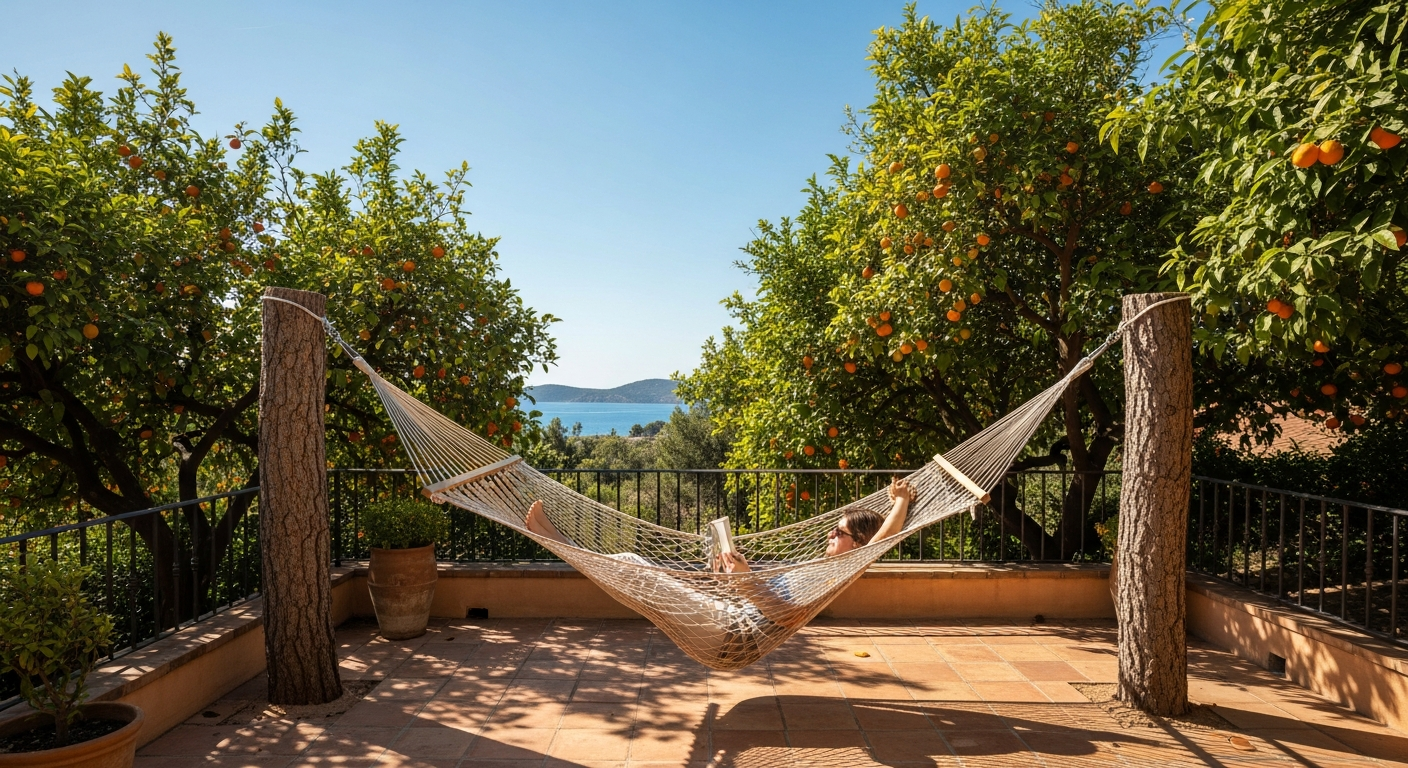
Spain Has 13 Climate Zones — Not Just "Sunny and Hot"
One of the biggest misconceptions about Spain is that it has one climate: hot and sunny. In reality, Spain's geography creates at least 13 distinct climate zones, ranging from the wet, temperate Atlantic coast in the north to the semi-arid deserts of Almería in the southeast, and from the alpine conditions of the Pyrenees and Sierra Nevada to the subtropical Canary Islands off the coast of Africa. If you are buying property in Spain, understanding the specific climate of your chosen region is not a minor detail — it fundamentally affects your daily life, your energy bills, your health, and even the structural requirements of your home.
This guide provides honest, data-based climate information for every major property region in Spain. We include the uncomfortable truths that glossy brochures leave out: Madrid's winters can be bitterly cold, Valencia gets catastrophic floods, and parts of the north receive more rain than London. But we also explain why certain Spanish microclimates are genuinely among the best in Europe for health and quality of life.
Costa Blanca South: The Driest Corner of Europe
The southern Costa Blanca — from Alicante city down through Santa Pola, Guardamar, Torrevieja, Orihuela Costa, and into northern Murcia — has one of the most favourable climates in Europe for year-round living. This area sits in a rain shadow created by the surrounding mountain ranges, which block most Atlantic and Mediterranean weather systems.
Key climate data:
- Average annual temperature: 18°C
- Summer highs: 32–35°C (July–August), occasionally reaching 38°C during heat waves
- Winter lows: 10–16°C during the day, 5–8°C at night, rarely below 3°C
- Annual rainfall: approximately 250mm (for comparison, London gets 600mm, Oslo 763mm, Amsterdam 838mm)
- Sunshine: 300+ days per year, over 3,000 hours of sunshine annually
- Humidity: moderate, 55–65% average, lower than coastal areas further north
Winter here is genuinely mild. You will see people eating outdoors in December and January. However, be aware that Spanish homes are not built for cold. Many properties in this area lack central heating entirely. When temperatures drop to 8–10°C at night in January and February, poorly insulated apartments feel cold indoors. A portable heater or air-conditioning unit with heat function is essential. Heating costs remain low — typically €30–60 per month in winter — but the discomfort of a cold tile-floor apartment at 14°C inside can surprise Northern Europeans who expect indoor warmth.
Summers are hot, but the low humidity makes 34°C significantly more bearable than 28°C in, say, Amsterdam or Hamburg. Air conditioning is a must from June through September. Expect electricity bills of €80–150 per month in summer if you run AC regularly. Many residents adopt the Spanish schedule: stay indoors from 2–6pm during the hottest months, and enjoy evenings outdoors when temperatures drop to a pleasant 25–28°C.
Costa Blanca North: Greener, Slightly Cooler
The northern Costa Blanca — Jávea, Dénia, Moraira, Altea, Calpe, and Benidorm — shares the same basic Mediterranean climate as the south but with some notable differences. The Montgó massif and other coastal mountains create varied microclimates, and the area receives more rainfall.
Key climate data:
- Average annual temperature: 17–18°C
- Summer highs: 30–33°C, marginally cooler than the south
- Winter lows: 8–14°C during the day, 4–7°C at night
- Annual rainfall: approximately 400mm, with some valleys receiving up to 600mm
- Sunshine: 300+ days per year
The extra rainfall makes the landscape noticeably greener than the arid south. You will see orange and lemon groves, pine forests, and hillside vegetation that the southern Costa Blanca largely lacks. Jávea and the surrounding areas are particularly attractive in spring when the hillsides bloom. Some buyers specifically prefer this greener landscape, finding the dry, brown terrain around Torrevieja too barren for their taste.
Properties at altitude — hillside villas above Altea, Jávea, or Moraira — can be 3–5°C cooler than the coast, which is a benefit in summer but means cooler winters. If you are buying a hillside villa, invest in good insulation and a heating system. Pool season is slightly shorter than in the south, running comfortably from late May to early October without heating.
Costa del Sol: Warmer Winters, More Rain Than You Think
The Costa del Sol in Málaga province — from Nerja through Málaga city, Marbella, Estepona, and down to Manilva — deserves its reputation for warm winters, but the rainfall figures may surprise you.
Key climate data:
- Average annual temperature: 18.5°C
- Summer highs: 30–34°C
- Winter lows: 12–17°C during the day, 7–10°C at night
- Annual rainfall: approximately 500mm (double the southern Costa Blanca)
- Sunshine: 320 days per year, approximately 2,900 hours
The Costa del Sol's key advantage over the Costa Blanca is warmer winters. Daytime temperatures in January typically reach 15–17°C, compared to 14–16°C on the Costa Blanca. That 1–2°C difference, combined with the sheltering effect of the mountains behind Málaga, makes outdoor living more comfortable in the coldest months.
However, when it rains on the Costa del Sol, it rains hard. The 500mm annual total arrives in concentrated bursts, mainly between October and March. Marbella and Estepona can experience intense downpours that cause localised flooding. The mountains behind the coast rise steeply, and water rushes down dry riverbeds (ramblas) with surprising force.
Heating costs are slightly lower than the Costa Blanca due to milder winters, but cooling costs in summer are comparable. Properties in Marbella and the Golden Mile are generally better built and insulated than budget developments on the Costa Blanca, which helps with year-round comfort but is reflected in the price.
Balearic Islands: Mediterranean With a Maritime Twist
Mallorca, Menorca, Ibiza, and Formentera share a Mediterranean climate modified by their island location. The sea moderates temperatures in both directions — cooler summers than the mainland coast and, for some islands, cooler winters too.
Key climate data (Mallorca):
- Average annual temperature: 17°C
- Summer highs: 30–33°C
- Winter lows: 10–15°C during the day, 5–8°C at night (Palma); 3–6°C at night in interior and north
- Annual rainfall: approximately 450mm in the south, up to 1,200mm in the Serra de Tramuntana mountains
- Sunshine: approximately 300 days per year
- Humidity: 65–75%, noticeably more humid than mainland Spain
Menorca is the coolest and windiest of the Balearics. The Tramontana wind can make winter feel bitter, and Menorca receives around 600mm of rain annually. Ibiza and Formentera are drier and closer in climate to the mainland coast.
The higher humidity is the main climate difference you will feel compared to the Costa Blanca or Costa del Sol. In summer, 32°C with 70% humidity feels hotter and stickier than 35°C with 50% humidity on the mainland. In winter, the dampness can make indoor spaces feel cold even when temperatures seem mild. Proper dehumidification and heating are important — more so than on the mainland.
Heating costs on the Balearics tend to run €50–100 per month in winter, partly due to the humidity and partly because energy costs on islands are higher. Air conditioning in summer: €80–150 per month.
Canary Islands: Eternal Spring — With Caveats
The Canary Islands sit off the northwest coast of Africa, between 27° and 29° north latitude. Their climate is genuinely extraordinary — often described as the best in the world — but the marketing hides important variations.
Key climate data:
- Average annual temperature: 20–22°C on the coast
- Summer highs: 26–28°C (moderated by trade winds)
- Winter lows: 18–20°C during the day, 14–16°C at night
- Annual rainfall: 100–150mm on southern coasts, up to 750mm on northern slopes
- Sunshine: 300+ days on the south coast, significantly fewer on the north
The critical thing to understand about the Canaries is the dramatic difference between the north and south sides of each island, particularly Tenerife and Gran Canaria. These volcanic islands are tall enough to block the prevailing trade winds. The south side (where most tourist resorts and expat communities are located) is dry, sunny, and sheltered. The north side is significantly cloudier, cooler, greener, and wetter.
On Tenerife, the south coast (Los Cristianos, Playa de las Américas, Costa Adeje) averages around 3,000 sunshine hours per year. The north coast (Puerto de la Cruz, Santa Cruz) averages around 2,200. That is a massive difference. The north is lush and beautiful but genuinely overcast for extended periods in winter.
The trade winds are both a blessing and a potential annoyance. They keep summer temperatures comfortable — you rarely see 30°C on the coast — but they can be persistent and strong, particularly on the eastern islands (Lanzarote, Fuerteventura). Some people find the constant wind wearing after a while.
A unique Canarian phenomenon is the calima: hot, dusty air blown from the Sahara Desert. Calimas happen several times per year, typically lasting 2–5 days, and push temperatures up to 35–40°C while filling the air with fine sand particles. For people with respiratory conditions, calimas can be problematic.
Heating is rarely needed on the southern coasts. Air conditioning is less essential than on the mainland, as summer temperatures are moderate. Energy costs are generally lower than the mainland for climate control, though overall energy prices on the islands are slightly higher.
Valencia City: Mild and Pleasant — Until DANA Hits
Valencia has a classic Mediterranean climate with mild winters, hot summers, and a significant flood risk that every property buyer must understand.
Key climate data:
- Average annual temperature: 18°C
- Summer highs: 30–34°C, with high humidity from the sea
- Winter lows: 10–16°C during the day, 5–8°C at night
- Annual rainfall: approximately 450mm, concentrated in autumn
- Sunshine: approximately 300 days per year
Valencia's summer humidity is the main comfort issue. The city sits on a flat coastal plain, and evening sea breezes bring moisture that makes August nights feel oppressive. Air conditioning is not optional from June through September.
DANA (Gota Fría): Spain's Most Dangerous Weather Phenomenon
DANA — Depresión Aislada en Niveles Altos — is an isolated high-altitude low-pressure system that brings catastrophic rainfall to eastern Spain. Before the meteorological term was standardised, it was called gota fría (cold drop). Every property buyer on the Mediterranean coast must understand this phenomenon.
What happens: A mass of cold air at high altitude becomes cut off from the jet stream and sits over the warm Mediterranean Sea. The warm sea surface (25–28°C in September and October) evaporates enormous quantities of moisture, which the cold air mass forces rapidly upward. The result is extraordinary rainfall — 200–400mm can fall in a matter of hours. For context, that is more rain in one day than London receives in six months.
When it happens: September to November is the primary DANA season, with October being the peak risk month. The sea is at its warmest after summer, providing maximum energy to storms. Occasional DANA events occur in spring (March–April) but are typically less severe.
Where it hits: The entire Mediterranean coast from Catalonia to Murcia is at risk, but the most affected areas are: Valencia province (especially the Turia and Júcar river basins), southern Alicante province (the Segura river basin, including Orihuela and surrounding areas), Murcia (the Segura river continues through the region), and Almería. The catastrophic floods in Valencia in October 2024 demonstrated the devastating power of DANA, with entire districts submerged and tragically significant loss of life.
How to check flood risk before buying:
- Check the PATRICOVA flood maps (Plan de Acción Territorial sobre prevención del Riesgo de Inundación en la Comunitat Valenciana) for Valencia region — available online
- Check SNCZI (Sistema Nacional de Cartografía de Zonas Inundables) flood maps for all of Spain via the Ministry for Ecological Transition
- Look for properties above rambla (dry riverbed) level — never buy in or immediately adjacent to a rambla
- Ask locally about flood history — neighbours and local bar owners know more than official maps
- Check if the property or area has been flooded in the past 20 years
- Ground-floor and basement properties in flood-risk zones are particularly vulnerable
DANA does not make the Mediterranean coast uninhabitable — millions of people live there safely. But buying a ground-floor apartment next to a rambla in a known flood zone is a genuinely dangerous decision. Elevated properties, upper-floor apartments, and areas away from watercourses are significantly safer.
Madrid: Continental Extremes Behind the Glamour
Madrid sits on a high plateau at 650 metres elevation in the centre of the Iberian Peninsula. Its climate is continental Mediterranean — which means genuine extremes that surprise many newcomers.
Key climate data:
- Average annual temperature: 15°C
- Summer highs: 35–38°C regularly, with heat waves pushing to 40–42°C
- Winter lows: 2–8°C during the day, -2 to 3°C at night, with occasional cold snaps bringing -5°C or below
- Annual rainfall: approximately 400mm, mostly in spring and autumn
- Sunshine: approximately 2,800 hours per year
Madrid's summers are searingly hot and dry. The city becomes oppressive from mid-June through mid-September, with daytime temperatures regularly exceeding 36°C. Unlike the coast, there is no sea breeze to moderate the heat. Air conditioning is essential and drives summer electricity bills to €120–200 per month for a typical apartment.
What surprises many people is Madrid's winter. The city is cold from December through February, with nighttime temperatures routinely dropping below freezing. Madrid received an extraordinary snowfall (Storm Filomena) in January 2021 that paralysed the city for weeks. Central heating is standard in Madrid apartments — unlike the coast — but heating costs run €80–150 per month in winter, depending on the system and insulation quality.
The dry air is a genuine feature. Madrid's low humidity (30–45% on average) is notably comfortable compared to coastal cities and is beneficial for people with joint problems or respiratory conditions. However, the dryness can irritate skin and sinuses, particularly for people used to humid Northern European climates.
Barcelona: Mediterranean Humidity
Barcelona sits on the coast of Catalonia, hemmed between the Collserola hills and the sea. Its climate is wetter and more humid than most people expect.
Key climate data:
- Average annual temperature: 16.5°C
- Summer highs: 28–31°C, but with 70–80% humidity
- Winter lows: 8–13°C during the day, 4–7°C at night
- Annual rainfall: approximately 600mm, fairly well distributed but with autumn peaks
- Sunshine: approximately 2,500 hours per year
Barcelona is significantly cooler than southern Spain, both in summer and winter. The combination of temperatures and humidity can make winters feel chillier than the numbers suggest. Heating is standard and necessary from November through March, costing €60–120 per month. In summer, air conditioning is increasingly necessary, though many older buildings in the Eixample district were designed without it.
The city is also exposed to DANA-type events, though less frequently than Valencia. Flash flooding occurs periodically, particularly in the older parts of the city with inadequate drainage.
Northern Spain: "Green Spain" — Beautiful, Wet, Mild
The northern strip — Galicia, Asturias, Cantabria, and the Basque Country — has an oceanic climate that is fundamentally different from the rest of Spain. This is España Verde (Green Spain), and it earns the name.
Key climate data:
- Average annual temperature: 12–14°C
- Summer highs: 20–25°C, rarely exceeding 28°C
- Winter lows: 6–10°C during the day, 2–5°C at night on the coast
- Annual rainfall: 1,000–1,500mm (Galicia can exceed 2,000mm in mountainous areas)
- Sunshine: approximately 1,600–2,000 hours per year
This is the Spain that looks nothing like the brochures. Green hills, misty mornings, lush forests, and frequent rain. San Sebastián receives roughly the same rainfall as Manchester. Santiago de Compostela is one of the rainiest cities in Europe. If you are moving from the UK, Ireland, or Scandinavia and actually enjoy green, temperate landscapes, northern Spain offers all that with better food, more affordable property, and a gentler pace of life.
The climate never reaches extremes. You will not suffer through 40°C heat waves or need air conditioning. But you will use heating from October through May, and energy costs are similar to Northern Europe (€80–150 per month for heating). Many properties have fireplaces or wood-burning stoves as a primary or supplementary heat source.
For people who struggled with the grey winters of Northern Europe, moving to northern Spain may not solve the problem. You will get more sunshine hours than the UK or Scandinavia, but not dramatically more. If escape from grey skies is your primary motivation, choose southern Spain or the Canary Islands instead.
Interior Spain (Castilla y León, Castilla-La Mancha): Extreme Continental
The vast interior plateau of Spain — the meseta — covers Castilla y León (north of Madrid) and Castilla-La Mancha (south of Madrid). These are among Spain's most extreme climates.
Key climate data:
- Average annual temperature: 12–14°C
- Summer highs: 35–40°C, dry heat
- Winter lows: -2 to 5°C during the day, -5 to -2°C at night, with some areas regularly seeing -10°C
- Annual rainfall: 300–500mm
- Sunshine: approximately 2,600–2,800 hours per year
The classic Spanish saying for this climate is "nueve meses de invierno y tres de infierno" — nine months of winter and three of hell. That is an exaggeration, but it captures the character. Winters on the meseta are properly cold, with frost, ice, and occasional snow. Summers are blisteringly hot but dry. Spring and autumn are pleasant but short.
Property here is remarkably affordable — you can buy a village house in Castilla y León for under €50,000 — but energy costs are high due to the need for both serious heating (November–March) and cooling (June–September). Combined heating and cooling costs can run €150–250 per month during extreme months.
Month-by-Month Climate Table: Top 6 Property Regions
| Month | Costa Blanca South | Costa del Sol | Canaries South | Madrid | Barcelona | Northern Spain |
|---|---|---|---|---|---|---|
| January | 16°C / 6°C, 20mm, 7h sun | 16°C / 7°C, 65mm, 6h sun | 21°C / 15°C, 20mm, 7h sun | 9°C / 1°C, 30mm, 5h sun | 13°C / 5°C, 40mm, 5h sun | 12°C / 5°C, 110mm, 3h sun |
| February | 17°C / 7°C, 20mm, 8h sun | 17°C / 8°C, 50mm, 7h sun | 21°C / 15°C, 15mm, 7h sun | 11°C / 2°C, 30mm, 6h sun | 14°C / 6°C, 35mm, 6h sun | 13°C / 5°C, 95mm, 4h sun |
| March | 19°C / 8°C, 20mm, 8h sun | 19°C / 9°C, 45mm, 7h sun | 22°C / 16°C, 10mm, 8h sun | 16°C / 5°C, 25mm, 7h sun | 16°C / 8°C, 40mm, 7h sun | 15°C / 6°C, 90mm, 5h sun |
| April | 21°C / 10°C, 25mm, 9h sun | 21°C / 11°C, 40mm, 8h sun | 23°C / 17°C, 5mm, 9h sun | 18°C / 7°C, 40mm, 8h sun | 18°C / 10°C, 45mm, 8h sun | 16°C / 8°C, 100mm, 6h sun |
| May | 24°C / 14°C, 20mm, 10h sun | 24°C / 14°C, 25mm, 10h sun | 24°C / 18°C, 2mm, 9h sun | 23°C / 11°C, 40mm, 9h sun | 21°C / 14°C, 50mm, 9h sun | 18°C / 10°C, 85mm, 7h sun |
| June | 28°C / 18°C, 10mm, 11h sun | 28°C / 18°C, 10mm, 11h sun | 26°C / 20°C, 0mm, 10h sun | 30°C / 16°C, 20mm, 11h sun | 25°C / 18°C, 35mm, 10h sun | 21°C / 13°C, 55mm, 8h sun |
| July | 32°C / 21°C, 5mm, 12h sun | 31°C / 21°C, 2mm, 12h sun | 28°C / 21°C, 0mm, 10h sun | 35°C / 19°C, 10mm, 12h sun | 28°C / 21°C, 20mm, 10h sun | 23°C / 14°C, 40mm, 8h sun |
| August | 33°C / 22°C, 5mm, 11h sun | 31°C / 22°C, 5mm, 11h sun | 28°C / 22°C, 0mm, 10h sun | 35°C / 19°C, 10mm, 11h sun | 28°C / 21°C, 50mm, 9h sun | 24°C / 15°C, 50mm, 7h sun |
| September | 29°C / 19°C, 30mm, 9h sun | 28°C / 19°C, 20mm, 9h sun | 27°C / 22°C, 5mm, 9h sun | 28°C / 15°C, 25mm, 9h sun | 26°C / 18°C, 75mm, 8h sun | 22°C / 13°C, 75mm, 6h sun |
| October | 24°C / 14°C, 40mm, 8h sun | 23°C / 15°C, 60mm, 7h sun | 26°C / 20°C, 15mm, 8h sun | 20°C / 10°C, 45mm, 7h sun | 21°C / 14°C, 80mm, 7h sun | 19°C / 11°C, 120mm, 5h sun |
| November | 19°C / 10°C, 30mm, 7h sun | 19°C / 10°C, 70mm, 6h sun | 24°C / 18°C, 20mm, 7h sun | 14°C / 5°C, 45mm, 5h sun | 16°C / 9°C, 55mm, 5h sun | 14°C / 7°C, 130mm, 3h sun |
| December | 16°C / 7°C, 20mm, 7h sun | 16°C / 8°C, 70mm, 6h sun | 22°C / 16°C, 25mm, 6h sun | 9°C / 2°C, 40mm, 5h sun | 13°C / 6°C, 45mm, 5h sun | 12°C / 5°C, 120mm, 3h sun |
Temperatures shown as daily high / night low. Rainfall in mm. Sun hours are daily average. Data represents typical conditions — individual years vary.
Heating and Cooling Costs by Region
| Region | Heating Months | Monthly Heating Cost | Cooling Months | Monthly Cooling Cost | Annual Climate Control |
|---|---|---|---|---|---|
| Costa Blanca South | Dec–Feb | €30–60 | Jun–Sep | €80–150 | €400–700 |
| Costa Blanca North | Nov–Mar | €40–80 | Jun–Sep | €70–130 | €500–850 |
| Costa del Sol | Dec–Feb | €25–50 | Jun–Sep | €80–140 | €400–650 |
| Balearics | Nov–Mar | €50–100 | Jul–Sep | €80–150 | €500–900 |
| Canaries (south coast) | Rarely needed | €0–15 | Rarely needed | €0–30 | €50–200 |
| Valencia | Dec–Feb | €40–80 | Jun–Sep | €90–160 | €500–800 |
| Madrid | Nov–Mar | €80–150 | Jun–Sep | €120–200 | €900–1,500 |
| Barcelona | Nov–Mar | €60–120 | Jul–Sep | €70–130 | €600–1,000 |
| Northern Spain | Oct–May | €80–150 | Rarely needed | €0–30 | €650–1,250 |
| Interior (Castilla) | Nov–Mar | €100–180 | Jun–Sep | €100–180 | €1,000–1,800 |
Costs based on a typical 80–100 m² apartment using electric or gas systems at 2025–2026 prices. Older, poorly insulated properties cost significantly more.
Best Climate for Specific Health Conditions
Many people move to Spain for health reasons, whether explicitly or as a contributing factor. Different conditions benefit from different climates.
Arthritis and Joint Problems
Low humidity and consistent warmth are key. The best regions are the southern Costa Blanca (low rainfall, moderate humidity) and Madrid (very dry air, though winters are cold). The Canary Islands offer year-round warmth but higher humidity. Avoid northern Spain and the Balearics, where humidity and damp can aggravate joint pain.
Respiratory Conditions (Asthma, COPD)
Clean, dry air with low pollution is ideal. The southern Canary Islands are exceptional — the trade winds keep air fresh, and pollution is minimal. The Costa Blanca South is also good, with low humidity and clean coastal air. Avoid Madrid (high pollution, very dry air that irritates airways) and Barcelona (humidity, urban pollution). Be cautious about Canary Island calimas if you have severe respiratory issues.
Seasonal Affective Disorder (SAD) / Depression Linked to Dark Winters
Maximum sunshine hours are what matters. The best regions are the Canary Islands south coast (3,000+ hours), Costa Blanca South (3,000+ hours), and Costa del Sol (2,900 hours). These regions provide dramatically more light than Northern Europe — Stockholm gets about 1,800 hours annually, London about 1,500, and Bergen only about 1,200. Moving from Scandinavia or northern UK to southern Spain effectively doubles your annual sunshine. Avoid northern Spain if SAD is your primary concern.
Active Lifestyle (Running, Cycling, Hiking)
If you want to be outdoors year-round, the Canary Islands win — you can run and cycle comfortably in every month. The Costa Blanca and Costa del Sol are excellent for 9–10 months but uncomfortably hot for outdoor exercise in July and August. Northern Spain is superb for hiking (the Camino de Santiago, Picos de Europa) and is never too hot, but you will get rained on regularly. Madrid offers great hiking in the Sierra de Guadarrama but is impractical for outdoor exercise in midsummer.
How Spain's Climate Compares to Northern Europe
| Factor | Southern Spain | Scandinavia | Germany | UK | Netherlands |
|---|---|---|---|---|---|
| Annual sunshine hours | 2,800–3,100 | 1,200–1,800 | 1,500–1,700 | 1,400–1,600 | 1,500–1,650 |
| Winter daylight (Dec) | 9.5–10 hours | 5–7 hours | 7–8 hours | 7–8 hours | 7.5–8 hours |
| Jan avg temperature | 12–17°C | -3 to 1°C | 0–3°C | 4–7°C | 3–5°C |
| Annual rainfall | 250–500mm | 500–1,000mm | 600–800mm | 600–1,200mm | 800–900mm |
| Summer high temperature | 30–38°C | 18–25°C | 22–28°C | 19–25°C | 20–26°C |
| Days below 0°C | 0–5 (coast) | 60–120 | 40–70 | 10–30 | 15–35 |
| Heating season | 0–3 months | 7–9 months | 6–7 months | 6–7 months | 6–7 months |
The Honest Summary
Spain's climate is one of its greatest assets for property buyers, but only if you choose the right region for your needs and expectations. The southern coast and the Canary Islands genuinely offer among the best climates in Europe for year-round outdoor living. Madrid and Barcelona offer excellent city living but with real climate trade-offs. Northern Spain is mild and green, but it will not cure your winter blues. And the interior can be as extreme as anywhere in Western Europe.
Before buying, visit your target area in its worst month — not its best. If you are considering the Costa Blanca, visit in August when it is 35°C at noon. If you are considering Madrid, visit in January when it is 3°C and grey. If you are considering northern Spain, visit in November when it has rained for three weeks straight. If you still love the place in its worst conditions, you have found your spot.
Frequently Asked Questions
Costa Blanca South: The Driest Corner of Europe?
The southern Costa Blanca — from Alicante city down through Santa Pola, Guardamar, Torrevieja, Orihuela Costa, and into northern Murcia — has one of the most favourable climates in Europe for year-round living. This area sits in a rain shadow created by the surrounding mountain ranges, which block most Atlantic and Mediterranean weather systems. Average annual temperature: 18°C Summer highs: 32–35°C (July–August), occasionally reaching 38°C during heat waves Winter lows: 10–16°C during the day, 5–8°C at night, rarely below 3°C Annual rainfall: approximately 250mm (for comparison, London gets 600mm, Oslo 763mm, Amsterdam 838mm) Sunshine: 300+ days per year, over 3,000 hours of sunshine annually Humidity: moderate, 55–65% average, lower than coastal areas further north Winter here is genuinely mild. You will see people eating outdoors in December and January. However, be aware that Spanish homes are not built for cold. Many properties in this area lack central heating entirely. When...
Balearic Islands: Mediterranean With a Maritime Twist?
Mallorca, Menorca, Ibiza, and Formentera share a Mediterranean climate modified by their island location. The sea moderates temperatures in both directions — cooler summers than the mainland coast and, for some islands, cooler winters too. Average annual temperature: 17°C Summer highs: 30–33°C Winter lows: 10–15°C during the day, 5–8°C at night (Palma); 3–6°C at night in interior and north Annual rainfall: approximately 450mm in the south, up to 1,200mm in the Serra de Tramuntana mountains Sunshine: approximately 300 days per year Humidity: 65–75%, noticeably more humid than mainland Spain
Menorca is the coolest and windiest of the Balearics. The Tramontana wind can make winter feel bitter, and Menorca receives around 600mm of rain annually. Ibiza and Formentera are drier and closer in climate to the mainland coast.
DANA (Gota Fría): Spain's Most Dangerous Weather Phenomenon?
DANA — Depresión Aislada en Niveles Altos — is an isolated high-altitude low-pressure system that brings catastrophic rainfall to eastern Spain. Before the meteorological term was standardised, it was called gota fría (cold drop). Every property buyer on the Mediterranean coast must understand this phenomenon. What happens: A mass of cold air at high altitude becomes cut off from the jet stream and sits over the warm Mediterranean Sea. The warm sea surface (25–28°C in September and October) evaporates enormous quantities of moisture, which the cold air mass forces rapidly upward. The result is extraordinary rainfall — 200–400mm can fall in a matter of hours. For context, that is more rain in one day than London receives in six months.
Northern Spain: "Green Spain" — Beautiful, Wet, Mild?
The northern strip — Galicia, Asturias, Cantabria, and the Basque Country — has an oceanic climate that is fundamentally different from the rest of Spain. This is España Verde (Green Spain), and it earns the name. Average annual temperature: 12–14°C Summer highs: 20–25°C, rarely exceeding 28°C Winter lows: 6–10°C during the day, 2–5°C at night on the coast Annual rainfall: 1,000–1,500mm (Galicia can exceed 2,000mm in mountainous areas) Sunshine: approximately 1,600–2,000 hours per year
This is the Spain that looks nothing like the brochures. Green hills, misty mornings, lush forests, and frequent rain. San Sebastián receives roughly the same rainfall as Manchester. Santiago de Compostela is one of the rainiest cities in Europe. If you are moving from the UK, Ireland, or Scandinavia and actually enjoy green, temperate landscapes, northern Spain offers all that with better food, more affordable property, and a gentler pace of life.
Heating and Cooling Costs by Region?
RegionHeating MonthsMonthly Heating CostCooling MonthsMonthly Cooling CostAnnual Climate Control Costa Blanca SouthDec–Feb€30–60Jun–Sep€80–150€400–700 Costa Blanca NorthNov–Mar€40–80Jun–Sep€70–130€500–850 Costa del SolDec–Feb€25–50Jun–Sep€80–140€400–650 BalearicsNov–Mar€50–100Jul–Sep€80–150€500–900 Canaries (south coast)Rarely needed€0–15Rarely needed€0–30€50–200 ValenciaDec–Feb€40–80Jun–Sep€90–160€500–800 MadridNov–Mar€80–150Jun–Sep€120–200€900–1,500 BarcelonaNov–Mar€60–120Jul–Sep€70–130€600–1,000 Northern SpainOct–May€80–150Rarely needed€0–30€650–1,250 Interior (Castilla)Nov–Mar€100–180Jun–Sep€100–180€1,000–1,800
Costs based on a typical 80–100 m² apartment using electric or gas systems at 2025–2026 prices. Older, poorly insulated properties cost significantly more.
Why Granfield Estate?
-
⚑
Office on the coast — we live here
Our office is in La Mata, Torrevieja. We know every neighbourhood, every street and the real prices — not from a catalogue, but from daily work on the ground.
-
⚖
In-house lawyer — 10+ years of experience
NIE, bank account, property check, contract, notary — legal support at every step. First consultation free.
-
🏠
Property management
Buying to rent? Our management company handles tenant search, maintenance and all questions.
-
🌐
We speak your language
English, Spanish, Russian, German, Finnish, Swedish and more. Licence RAICV 1663, member of Asivega.
Granfield Estate · Av. Bélgica 1, C.C. Parquemar, La Mata, 03188 Torrevieja · +34 865 44 33 33
Read also

Cost of Living in Spain 2026: Monthly Budget Breakdown
10.06.2026
What it really costs to live in Spain in 2026. Complete monthly budget breakdown for a couple: from €1,500 to €2,500 per month, comfortable but not luxury.

Healthcare in Spain for Foreigners: Complete Guide
12.06.2026
Spain has one of Europe's best healthcare systems. How to access public and private healthcare as a foreigner — EHIC, SIP card, convenio especial, and private insurance explained.

10 Best Beaches on Costa Blanca (and Property Nearby)
17.06.2026
From the golden dunes of Guardamar to the hidden cove of Granadella — the 10 best beaches on Costa Blanca, with Blue Flag status, crowd levels, facilities, and property prices within walking distance.