


What Does It Actually Cost to Live in Spain in 2026?
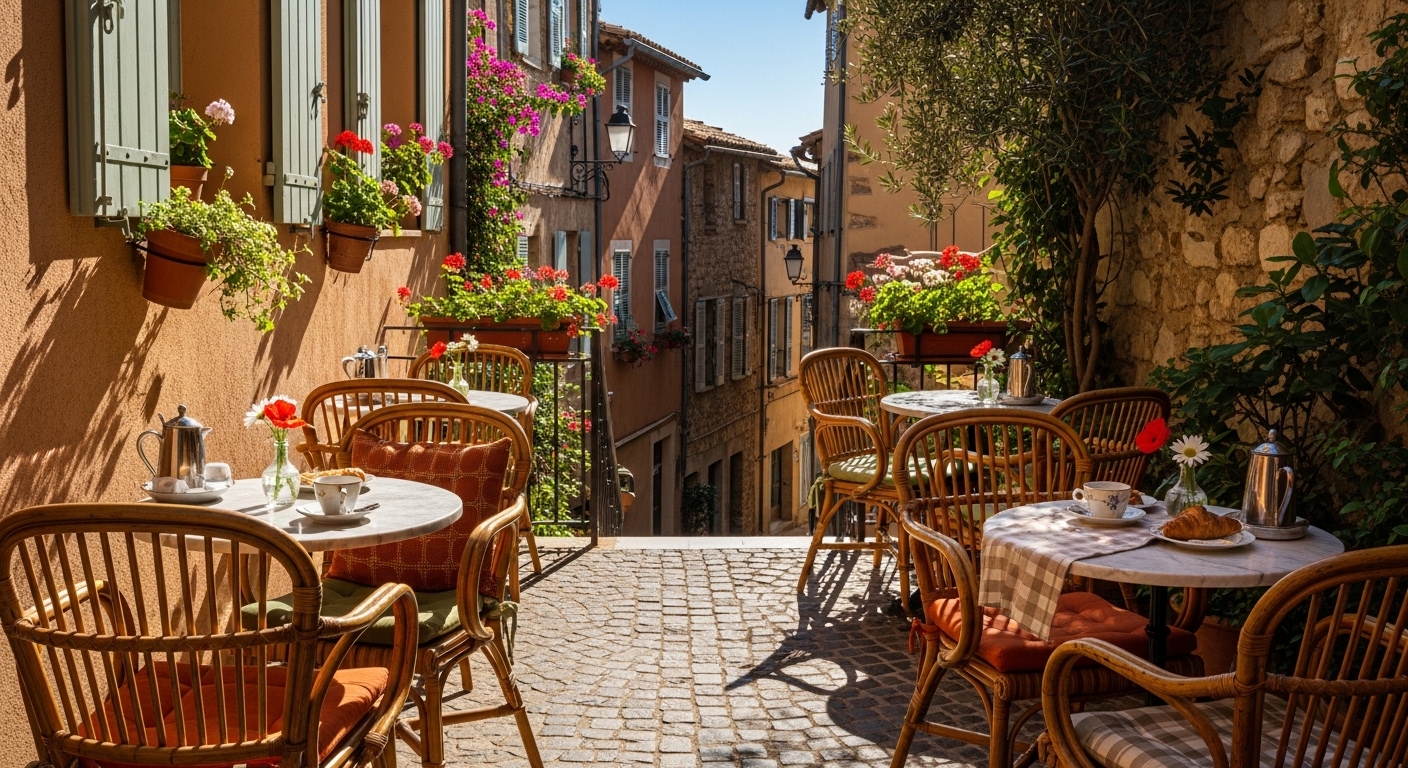
The question everyone asks before making the move. The short answer: a couple can live comfortably in Spain on €1,500 to €2,500 per month — not luxury, but not scraping by either. This means breakfast on a sunny terrace, eating the menú del día at lunch, running a car, having private health insurance, and dining out a couple of times a week.
The caveat: "comfortably" in Alicante doesn't cost the same as "comfortably" in Barcelona. And what feels absurdly cheap to someone from London feels like a solid middle-class budget to a Spaniard. Let's break it all down.
Groceries: €300–500/month for two
A weekly shop at Mercadona, Lidl, or Consum for two people runs €60–100. Mercadona is Spain's go-to supermarket — good quality, excellent own-brand products, and fair prices. Lidl is slightly cheaper on many staples.
But the real savings come from municipal markets and neighbourhood greengrocers. A kilo of oranges for €0.80, tomatoes for €1.50, a whole chicken for €5. Seasonal fruit and vegetables are absurdly cheap compared to the UK or Northern Europe.
What costs less than in the UK: olive oil, wine (decent bottles from €3), fruit, vegetables, bread, cured meats. What costs roughly the same or more: imported products, certified organic food, international brands.
Eating Out: The Great Affordable Luxury
This is where Spain absolutely destroys any Northern European budget:
- Menú del día: €10–14 for a starter, main course, dessert, bread, and a drink. In many places, the drink includes wine or beer. This concept barely exists at this price point anywhere else in Europe.
- Coffee: €1.20–1.80 for a café con leche. On a sunny terrace, in March.
- Beer (caña): €2–3 at a neighbourhood bar. With a free tapa in many southern cities.
- Dinner for two: €30–50 at a decent restaurant. Not a chain — a proper place with tablecloths and a waiter.
For context: in London a pint costs £6–7, a coffee £3.50–4.50, and a dinner for two rarely comes under £80. In Spain, even Madrid and Barcelona are dramatically cheaper — and the coastal towns are cheaper still.
Healthcare: Public Free, Private from €50/month
Legal residents in Spain have access to the public health system — ranked among the best in the world by the WHO. It's free: GP visits, specialists, A&E, hospitalisation. Waiting times for specialists can be long (weeks or months), but emergency care is fast and effective.
Many expats combine public healthcare with private insurance. Companies like Sanitas, Adeslas, or Asisa offer policies from €50 to €150 per month per person, depending on age and coverage. With private insurance, you see a specialist in days, not weeks.
If you're coming from the UK: the NHS is free too, but you'll find Spanish private healthcare (at €50–150/month) offers faster access than many NHS waiting lists. If you're coming from the US: prepare to be amazed — comprehensive private cover for a fraction of what you'd pay for even basic US insurance.
Transport
- Fuel: €1.40–1.60/litre. Cheaper than most of Western Europe, roughly on par with the UK.
- Car insurance: €300–600/year for comprehensive cover. Significantly cheaper than in the UK (£500–1,000+).
- MOT equivalent (ITV): €30–50 per year.
- Public transport: Monthly passes €40–50 in most cities. Madrid's transport pass is about €55 and covers metro, bus, and commuter rail.
- High-speed trains: Madrid–Barcelona from €20 booked in advance. Madrid–Alicante from €15.
If you live on the coast outside a major city, you'll need a car. Public transport in smaller coastal towns is limited.
Utilities Breakdown
- Electricity: €80–150/month. The most variable cost. Air conditioning in summer sends the bill skyward. Time-of-use tariffs help — run the dishwasher at night.
- Water: €20–40/month.
- Gas: €30–60/month (higher in winter with gas heating). Many coastal properties don't have mains gas — they use butane bottles (€15–18 each).
- Fibre internet: €30–40/month for 300–600 Mbps. Often includes a mobile line in bundled packages.
- Mobile phone: €10–20/month for an additional line or pay-as-you-go.
- Community fees: €30–100/month for apartments with pool and communal areas.
Total utilities: €200–400/month depending on the season and property type.
Regional Comparison
| Item | Costa Blanca | Costa del Sol | Madrid | Barcelona | Valencia |
|---|---|---|---|---|---|
| 2-bed rent | €500–800 | €600–1,000 | €900–1,400 | €1,000–1,500 | €650–1,000 |
| Menú del día | €10–12 | €11–14 | €12–15 | €12–16 | €10–13 |
| Beer (bar) | €2.00 | €2.50 | €2.50–3.00 | €3.00 | €2.00–2.50 |
| Feel | Quiet, expat-friendly | Cosmopolitan | Big city buzz | International | Balanced |
| Total couple/month | €1,400–2,000 | €1,600–2,300 | €2,000–3,000 | €2,200–3,200 | €1,500–2,200 |
Spain vs Northern Europe
To put things in perspective, here's how Spain's coast compares with typical Northern European costs:
| Item | Spain (coast) | Northern Europe | Saving |
|---|---|---|---|
| 2-bed rent | €500–800 | €1,200–2,000 | 50–60% |
| Dinner for two | €30–50 | €80–150 | 50–70% |
| Beer in a bar | €2–3 | €6–9 | 65–70% |
| Lunch menu | €10–14 | €15–25 | 30–45% |
| Car insurance | €300–600/yr | €800–2,000/yr | 50–70% |
The overall cost of living on the Spanish coast is 40–60% lower than major Scandinavian, Dutch, or German cities. And that's before the sunshine factor — you don't need half the winter wardrobe, your heating bill is a fraction, and your mood doesn't require vitamin D supplements from October to April.
Hidden Costs Newcomers Don't Expect
- IBI (property tax): Spain's equivalent of council tax. Between €200 and €800 per year for a typical apartment, more for villas.
- Basura (rubbish tax): Municipal waste charge of €50–150 per year, depending on the town.
- Plusvalía municipal: A tax when you sell property that many people don't know about until it's due.
- Tax returns: Mandatory if you're a resident. An accountant (gestor) costs €50–150 per return.
- Bureaucracy: NIE, padron registration, tax office, Social Security. Everything takes time and paperwork. A gestor or lawyer makes it manageable (€200–500 for initial setup).
- Property maintenance: Sun and coastal humidity punish facades. Budget for repainting and minor repairs every few years.
- Flights home: If you maintain ties with your home country, several trips per year add €500–2,000 per person.
Tips for Saving Money
- Shop at municipal markets for fruit, vegetables, and fresh fish.
- Use the menú del día as your main meal — it's the best value meal deal in Europe.
- Switch to time-of-use electricity tariffs and run appliances in off-peak hours.
- Install solar panels if you buy a house — payback period in southern Spain is 5–7 years.
- Compare insurance every year — companies offer aggressive discounts to win new customers.
- Open a Spanish bank account with no fees (Openbank, ING, EVO) to avoid currency exchange charges.
- Learn Spanish — not just for integration, but because "foreigner prices" exist, especially for services like renovations.
Sample Monthly Budget for a Couple
| Item | Tight | Comfortable | Generous |
|---|---|---|---|
| Rent/mortgage | €500 | €700 | €1,000 |
| Groceries | €300 | €400 | €500 |
| Restaurants/leisure | €100 | €250 | €400 |
| Utilities | €200 | €280 | €380 |
| Transport | €100 | €200 | €300 |
| Healthcare | €0 (public) | €100 | €200 |
| Miscellaneous | €100 | €200 | €300 |
| TOTAL | €1,300 | €2,130 | €3,080 |
Most foreign couples living on the coast sit in the "comfortable" column — between €1,800 and €2,300 per month all-in. If you own your property outright, subtract €500–700 and the number drops dramatically.
Frequently Asked Questions
Groceries: €300–500/month for two?
A weekly shop at Mercadona, Lidl, or Consum for two people runs €60–100. Mercadona is Spain's go-to supermarket — good quality, excellent own-brand products, and fair prices. Lidl is slightly cheaper on many staples. But the real savings come from municipal markets and neighbourhood greengrocers. A kilo of oranges for €0.80, tomatoes for €1.50, a whole chicken for €5. Seasonal fruit and vegetables are absurdly cheap compared to the UK or Northern Europe.
Healthcare: Public Free, Private from €50/month?
Legal residents in Spain have access to the public health system — ranked among the best in the world by the WHO. It's free: GP visits, specialists, A&E, hospitalisation. Waiting times for specialists can be long (weeks or months), but emergency care is fast and effective. Many expats combine public healthcare with private insurance. Companies like Sanitas, Adeslas, or Asisa offer policies from €50 to €150 per month per person, depending on age and coverage. With private insurance, you see a specialist in days, not weeks.
Utilities Breakdown?
Electricity: €80–150/month. The most variable cost. Air conditioning in summer sends the bill skyward. Time-of-use tariffs help — run the dishwasher at night. Water: €20–40/month. Gas: €30–60/month (higher in winter with gas heating). Many coastal properties don't have mains gas — they use butane bottles (€15–18 each). Fibre internet: €30–40/month for 300–600 Mbps. Often includes a mobile line in bundled packages. Mobile phone: €10–20/month for an additional line or pay-as-you-go. Community fees: €30–100/month for apartments with pool and communal areas.
Total utilities: €200–400/month depending on the season and property type.
Spain vs Northern Europe?
To put things in perspective, here's how Spain's coast compares with typical Northern European costs: ItemSpain (coast)Northern EuropeSaving 2-bed rent€500–800€1,200–2,00050–60% Dinner for two€30–50€80–15050–70% Beer in a bar€2–3€6–965–70% Lunch menu€10–14€15–2530–45% Car insurance€300–600/yr€800–2,000/yr50–70%
The overall cost of living on the Spanish coast is 40–60% lower than major Scandinavian, Dutch, or German cities. And that's before the sunshine factor — you don't need half the winter wardrobe, your heating bill is a fraction, and your mood doesn't require vitamin D supplements from October to April.
Tips for Saving Money?
Shop at municipal markets for fruit, vegetables, and fresh fish. Use the menú del día as your main meal — it's the best value meal deal in Europe. Switch to time-of-use electricity tariffs and run appliances in off-peak hours. Install solar panels if you buy a house — payback period in southern Spain is 5–7 years. Compare insurance every year — companies offer aggressive discounts to win new customers. Open a Spanish bank account with no fees (Openbank, ING, EVO) to avoid currency exchange charges. Learn Spanish — not just for integration, but because "foreigner prices" exist, especially for services like renovations.
Why Granfield Estate?
-
⚑
We live on the coast
Our team lives and works on the Costa Blanca. We know every neighbourhood, every street and the real prices — not from a catalogue, but from daily work on the ground.
-
⚖
In-house lawyer — 10+ years of experience
NIE, bank account, property check, contract, notary — legal support at every step. First consultation free.
-
🏠
Property management
Buying to rent? Our management company handles tenant search, maintenance and all questions.
-
🌐
We speak your language
English, Spanish, Russian, German, Finnish, Swedish and more. Licence RAICV 1663, member of Asivega.
Read also

Healthcare in Spain for Foreigners: Complete Guide
12.06.2026
Spain has one of Europe's best healthcare systems. How to access public and private healthcare as a foreigner — EHIC, SIP card, convenio especial, and private insurance explained.

10 Best Beaches on Costa Blanca (and Property Nearby)
17.06.2026
From the golden dunes of Guardamar to the hidden cove of Granadella — the 10 best beaches on Costa Blanca, with Blue Flag status, crowd levels, facilities, and property prices within walking distance.

Golf on Costa Blanca: Best Courses and Property Nearby
18.06.2026
A complete guide to 10+ golf courses on the Costa Blanca — from Villamartin to Las Colinas. Green fees, memberships, property prices near each course, and why the October–May season beats the Costa del Sol.